A Once-in-a-Lifetime Cosmic Event
Picture this: you’re standing in the golden sands of Egypt, surrounded by ancient temples that have seen thousands of years of history. The desert air hums with anticipation. The bright midday sun begins to dim, and the world around you slows to a hush. Shadows stretch. The temperature drops. Then—suddenly—the sky darkens completely, and you find yourself under a blanket of twilight.
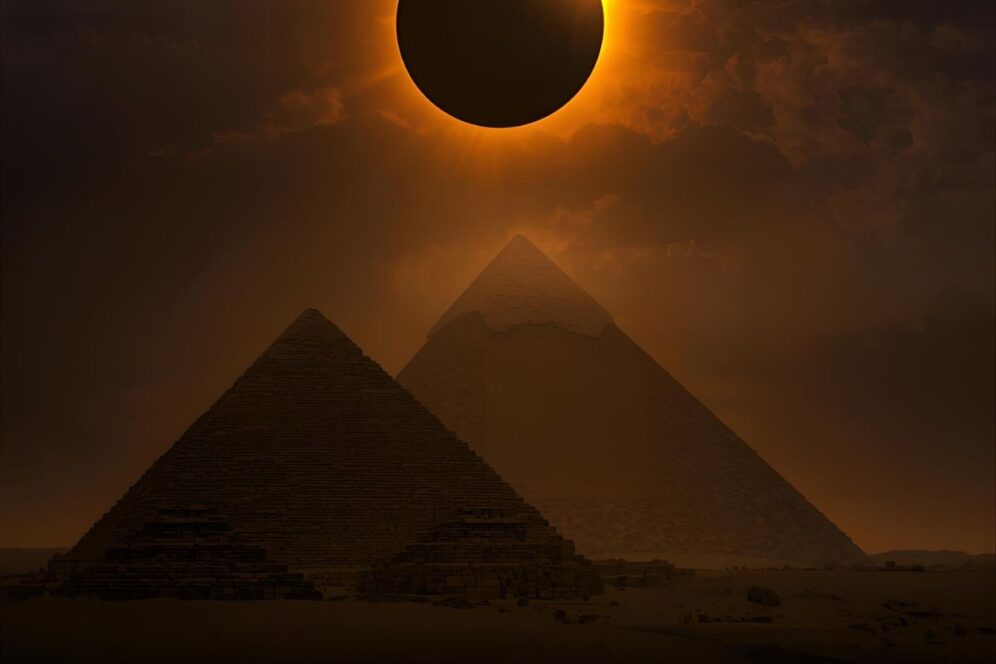
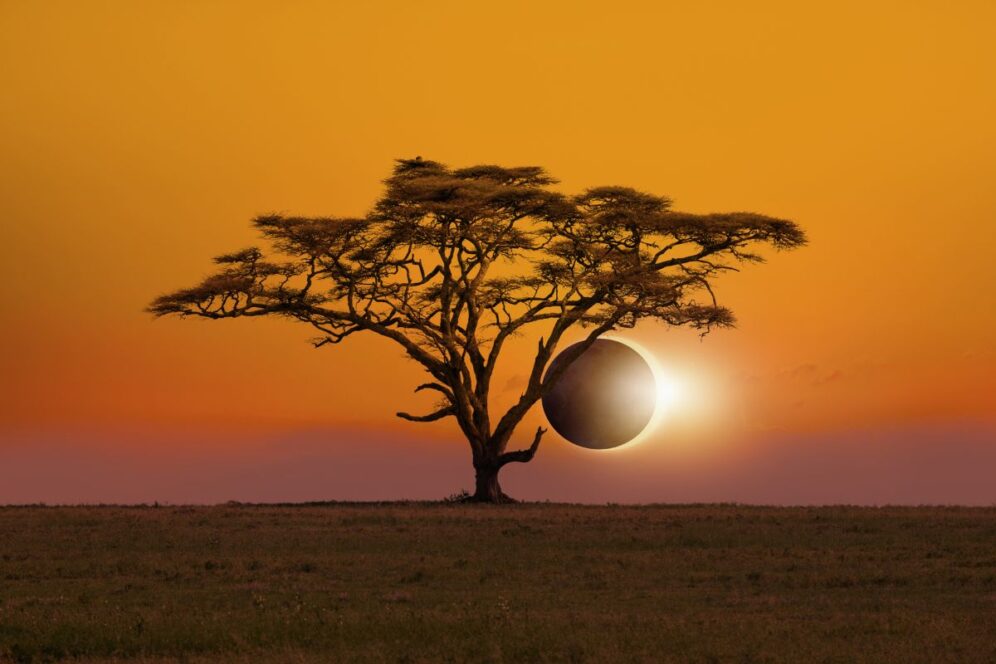
That’s what’s coming on August 2, 2027, when one of the most breathtaking total solar eclipses of the century will cast its shadow across northern Africa. And Egypt? It’s right in the heart of the action.
This isn’t your average travel experience. It’s a front-row seat to the universe’s most dramatic performance—a moment that feels ancient and timeless, all at once.
Why the Solar Eclipse Is So Special
Here’s the thing: eclipses happen every so often, but very few are like this one. The solar eclipse is extraordinary because of its duration—more than six minutes of total darkness in certain locations. To put that into perspective, most total eclipses last just two to three minutes. Six minutes may not sound long, but when you’re watching the sky transform into a cosmic masterpiece, it feels like forever.
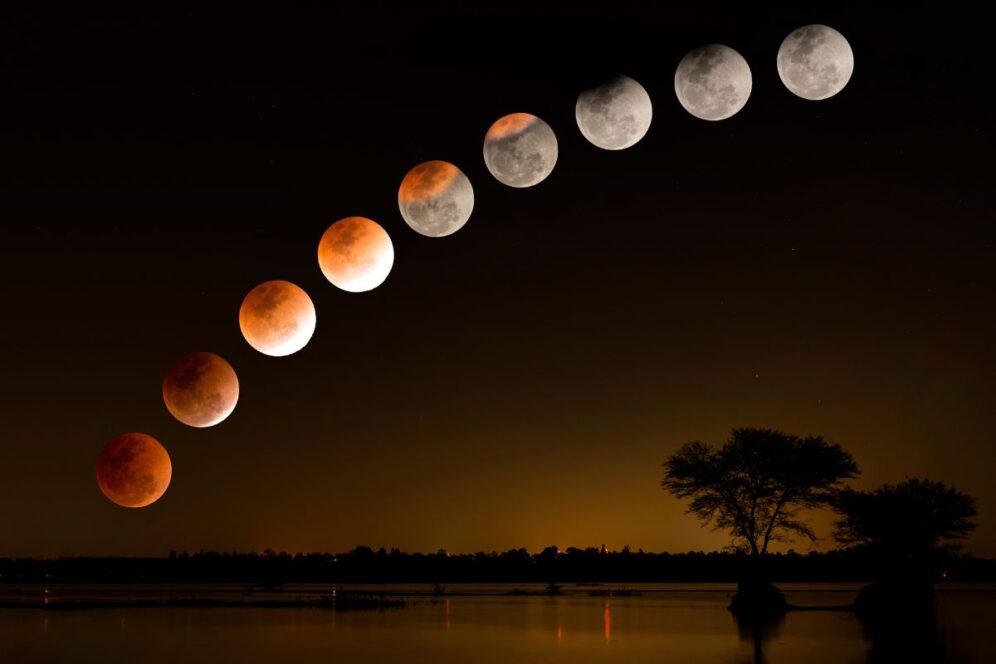
Egypt lies directly along the path of totality, offering one of the clearest and longest views in the world. Scientists, travelers, photographers, and skywatchers from across the globe are already marking their calendars. This eclipse is not just rare—it’s historic.
When the moon perfectly aligns with the sun, you’ll see the glowing solar corona—the ethereal halo of light that only appears during totality. It’s the kind of sight that makes you forget to breathe for a moment.
Egypt: The Ultimate Viewing Destination
You could technically see the eclipse from other parts of the world—but none compare to Egypt’s setting. The country offers prime visibility, a stable dry climate, and a landscape steeped in myth and wonder.
Imagine watching the sky go dark above the Pyramids of Giza, or standing on the banks of the Nile River as the moon’s shadow passes over the water. Or picture yourself in Luxor, surrounded by temples that once honored the sun god Ra himself, while the heavens perform their most magnificent act.
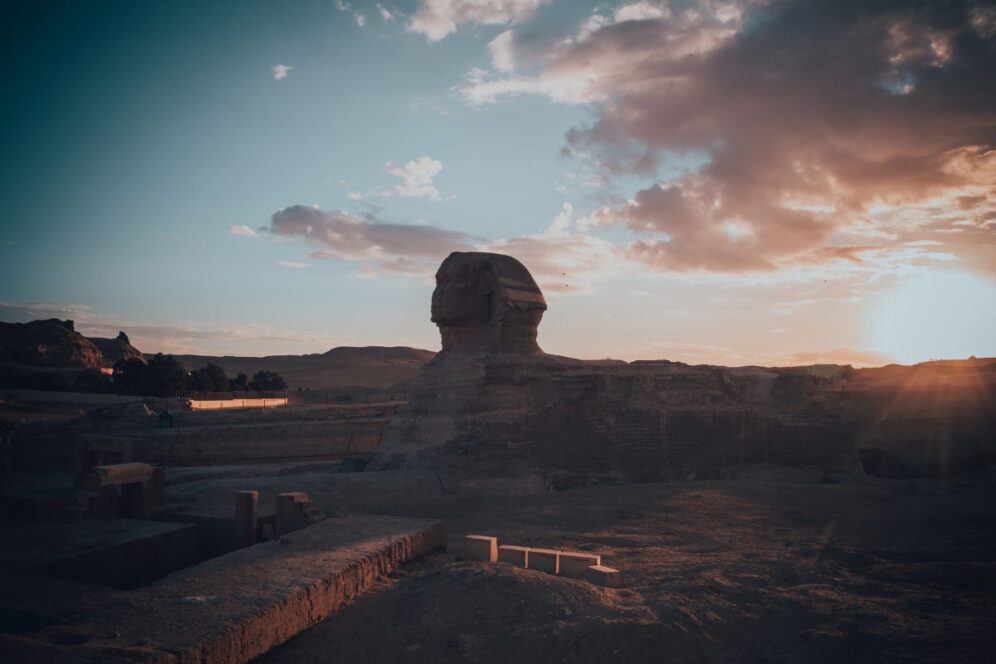
Egypt isn’t just a place to witness an eclipse—it’s a stage where science meets history. And with its consistently clear skies in early August, your chances of seeing the full event are almost guaranteed. If you’re planning to experience the 2027 solar eclipse, Egypt offers a viewing experience like nowhere else on Earth—one where the natural and the mystical blend seamlessly.
The Magic of Watching an Eclipse Amid Ancient History
It’s hard not to feel something profound during a total solar eclipse, especially in a place like Egypt. Thousands of years ago, the Egyptians worshiped the sun god Ra, believing he guided life, light, and creation itself. To them, an eclipse might have been seen as a sign of divine mystery—a cosmic drama unfolding between gods.
Now, you have the chance to watch the same celestial dance they once witnessed, but with modern understanding and the same awe. There’s a sense of continuity in that—a connection that stretches across time.
Standing among the ancient monuments as the sun disappears feels like stepping into history. You’re sharing a moment that’s both deeply personal and universally human. And as the light returns, you can’t help but think: people have been looking up at the same sky, feeling the same wonder, for thousands of years.
What to Expect When Day Turns to Night
No matter how many photos or videos you’ve seen, nothing compares to experiencing a total solar eclipse in person. The show unfolds gradually. First, the moon takes a tiny bite out of the sun. Then the light begins to change—it becomes sharper, colder, and almost metallic. The world goes quiet.
As totality begins, everything transforms. The horizon glows faintly like sunset in every direction. The stars come out. You can even see planets. And right in the center of it all, the sun becomes a black disk surrounded by a delicate, ghostly halo—the solar corona.
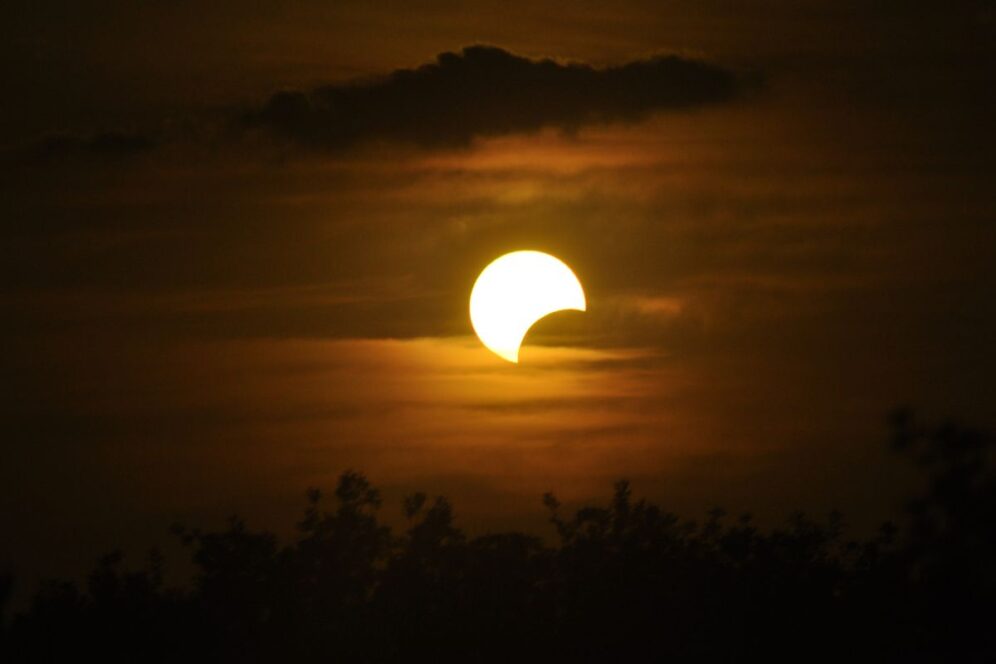
For those few minutes, it feels like time stops. People gasp. Some cheer. Others just stand there, lost in wonder. It’s a powerful reminder that you’re part of something infinitely larger than yourself.
When the light returns, it happens quickly—first a flash, then a burst of warmth. The day resumes, but the feeling stays with you.
Planning Your Solar Eclipse Trip to Egypt
Now let’s talk about how to make it happen.
Book early. The 2027 eclipse is already generating buzz among travelers and astronomers, and Egypt’s prime viewing spots—like Luxor and Aswan—will fill up fast. Start planning your accommodations and tours at least a year or two in advance to secure the best spots.
Pick your perfect viewing spot. Luxor, Aswan, and the Valley of the Kings are all along the path of totality. Each offers something special—whether it’s watching the eclipse reflected in the Nile or framed by ancient columns.
Pair the eclipse with exploration. Since you’ll already be in Egypt, this is your chance to experience more. Cruise the Nile, visit the Great Pyramids, or explore the temples of Abu Simbel. Make it a journey that blends astronomy and adventure.
Come prepared. Bring solar glasses, sunscreen, light clothing, and plenty of water. The desert heat in August can be intense, even when the sun takes a brief break.
And most importantly, give yourself time to be present. Put down the camera for a few moments. Feel the air shift, the darkness settle, the awe ripple through the crowd. You’ll never forget it.
Why You’ll Remember It Forever
Some travel moments fade with time, but not this one. Watching a total solar eclipse—especially in Egypt—is something that stays with you. It’s humbling, grounding, and somehow uplifting all at once.
When you witness totality, you feel the scale of the universe in a way that’s impossible to describe. The sun and moon align perfectly, the Earth falls into shadow, and for a few minutes, everything feels connected.
Add Egypt’s ancient landscape to the mix, and it becomes something even greater—a bridge between humanity’s past and the mysteries of the cosmos. You’re not just a spectator; you’re part of a moment that unites generations, cultures, and centuries of curiosity.
And when the light returns, you’ll carry that feeling with you. Not just as a travel memory, but as a personal reminder of how extraordinary our world really is.
Stand in the Shadow of Time
The solar eclipse will be more than just an astronomical event—it’ll be a story you’ll tell for the rest of your life. Egypt is ready to host dreamers, scientists, and explorers from around the world who want to witness this rare moment under its ancient skies.
So maybe it’s time to start planning. Maybe it’s time to add this to your bucket list.
Because when the world falls silent, and the sun’s light fades over Egypt’s timeless sands, there’s only one question left to ask: Where will you be when the sky goes dark?


Leave a Reply