Fresh powder crunching under your boots and pine-scented air, winter travel can be pure magic. Winter is a popular time for travel, with the National Household Travel Survey reporting 430 million long-distance trips taken in the US during one winter period. But as anyone who has shivered through a city tour knows, the right gear makes or breaks the trip.
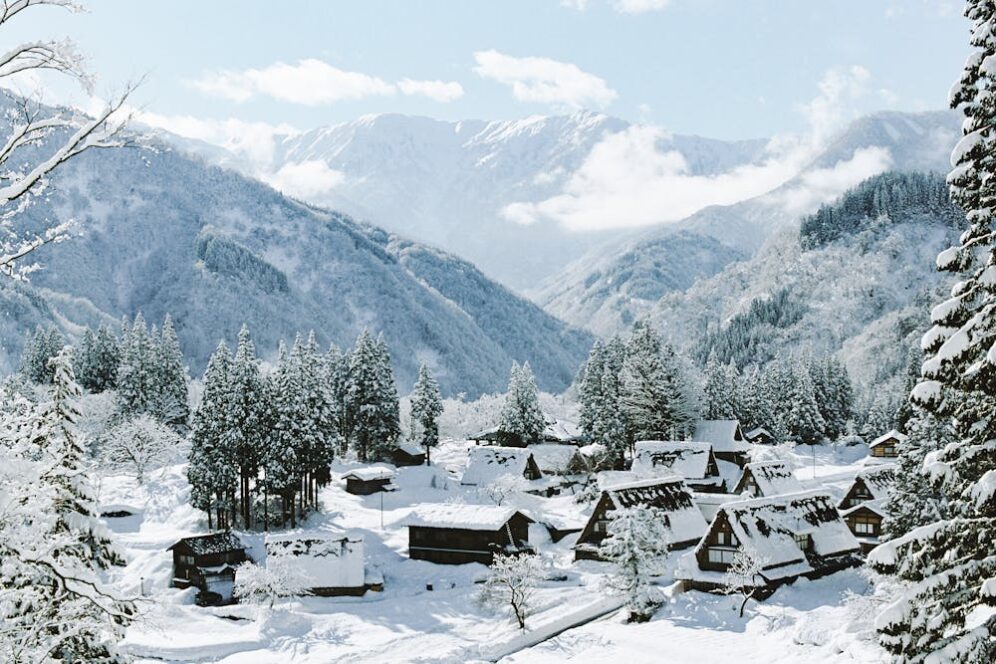
To keep you exploring longer and complaining less, we’ve distilled countless packing lists into seven proven pieces that balance warmth, weight, and versatility. Pack smart, stay warm, and get ready to squeeze every memory out of that snowy escape.
1. Thermal / Merino Wool Socks
Cotton may be comfortable in summer, but in winter it’s a recipe for clammy, cold feet. Merino or synthetic blends wick moisture and dry quickly, making them ideal for multi-day trips. When selecting socks, check for strategic cushioning and flat toe seams to prevent blisters during long walks.
A three-pair rotation often covers a week-long itinerary: one pair on your feet, one drying, and one ready to go. This system ensures you always have a dry, comfortable pair of socks to start your day.
While traditional wool socks are excellent, advanced alternatives can offer more consistent warmth. For instance, heated socks can provide adjustable heat, making them a powerful tool against extreme chills. Whether traditional or heated, consider sizing up if you plan to layer a thicker sock or liner underneath.
2. A Trusty Puffer Jacket
Your puffer is the single most important layer between you and sub-freezing temps. High-loft insulation, whether down or synthetic, traps body heat while remaining lightweight enough to toss in a carry-on. Key features to look for include the fill type, its packability, and a temperature rating suited for your destination.
- Fill type: Down delivers the best warmth-to-weight ratio; synthetics keep insulating when damp.
- Packability: Look for jackets that stuff into their own pocket for easy transport.
- Temperature rating: Match it to your coldest expected conditions, not the average.
| Pro Tip: Always choose your jacket based on the coldest temperatures you’ll face, not the average. It’s better to have extra warmth you don’t need than to be caught unprepared in a sudden cold snap. |
3. Warm Pants (Fleece-Lined or Insulated)
Denim looks stylish, but soaks up slush and holds moisture. Instead, invest in fleece-lined leggings, soft-shell trekking trousers, or lightly insulated snow pants. They stretch with you on a snowshoe trail yet look polished enough for a fireside dinner.
Darker colors are great for concealing salt stains, and a durable water-repellent (DWR) finish helps keep melting flakes from soaking into the fabric. This simple choice can make a huge difference in your overall comfort.
4. Long-Sleeve Thermal Base Layer
Moisture from sweat, snow, or sleet is a primary cause of heat loss. According to the CDC, hypothermia can occur even in mild temperatures if a person gets chilled from being wet. A quality base layer whisks dampness away from the skin, keeping you warm and dry.
Merino wool shines here, as it’s naturally odor-resistant, temperature-regulating, and itch-free. For aerobic activities, go with lightweight merino; for colder, less active days, mid- to heavyweight knits are ideal. Always follow care instructions to extend the lifespan of your gear.
| Key Insight: Staying warm in the cold is more about staying dry than just insulation. A quality moisture-wicking base layer is your first and most critical line of defense against heat loss from sweat or melting snow. |
5. A Lightweight Insulating Vest
Think of a vest as thermostat control for your core, providing concentrated warmth without arm bulk. Whether you choose synthetic fill or a micro-down style, this piece is incredibly versatile. Look for zippered handwarmer pockets and an interior stash pocket to keep your phone warm and functional.
A vest’s utility extends beyond the trail. Pair it with a flannel or a sleek turtleneck, and it transitions effortlessly from an alpine hike to an après-ski café, giving you more style options with less luggage.
6. Weather-Proof Shoes or Boots
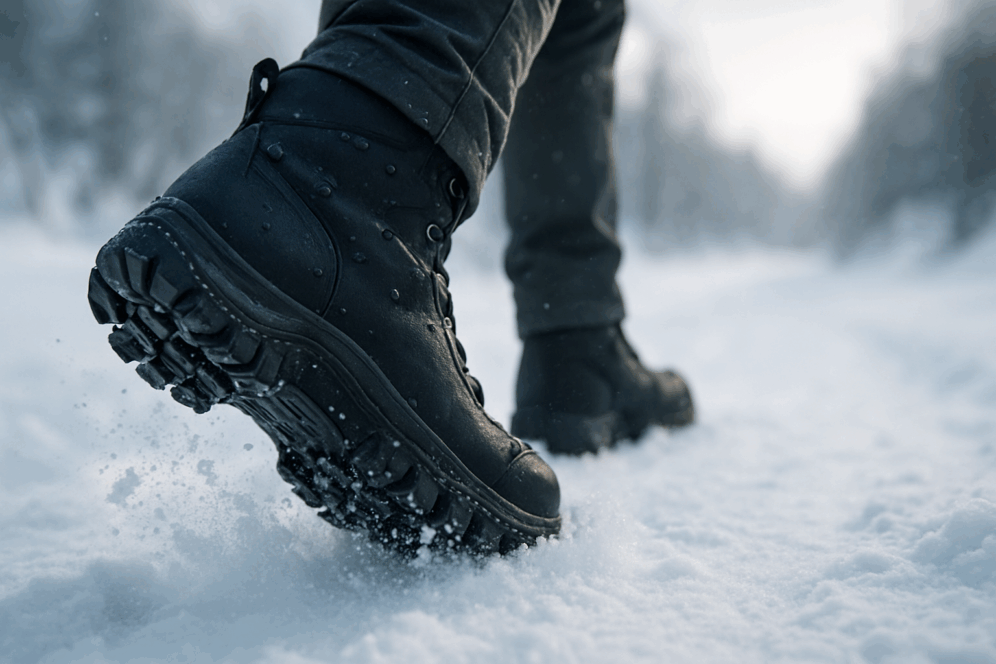
Feet that stay dry stay warm. It’s that simple. Prioritize boots with a waterproof membrane, an aggressive tread for icy sidewalks, and an appropriate insulation rating for your destination. Always try on boots with the socks you plan to wear to ensure you have enough room for proper circulation.
If you’re planning city sightseeing, opt for a lower-cut waterproof sneaker-boot to reduce luggage weight. For backcountry trekking, stiffer midsoles and higher shafts will add crucial stability and warmth in deeper snow.
7. Essential Accessories (Hat, Neck Gaiter, Scarf, Touchscreen Gloves)
Never underestimate these small but mighty items. A fleece-lined beanie, a wind-blocking neck gaiter, and touchscreen-enabled gloves guard high-heat-loss zones where blood vessels run close to the skin.
If you’re prone to cold fingers, battery-powered heated gloves from Weston Store can replace bulky mittens while preserving dexterity for photography or using your phone.
Putting It All Together
Mastering winter packing is less about stuffing a suitcase with everything warm you own and more about curating flexible layers that work as a system. Lay out your gear before you pack and see how many mix-and-match outfits you can build. If each item can be used in at least two different scenarios, you’ve packed efficiently.
These seven essentials, jacket, pants, base layer, vest, boots, socks, and smart accessories, add up to one unwavering promise: warmth that lets you chase more sunrises and collect more stories from the snowy road. Embrace the flakes, fine-tune your list, and enjoy your adventure. Safe travels and happy packing!


Leave a Reply