Picture this: total darkness at the edge of the world, pristine Arctic wilderness stretching endlessly, and then—the sky erupts in green fire. This is Svalbard, Norway’s remote archipelago floating between mainland Norway and the North Pole. This frozen frontier offers something rare: nearly four months of complete darkness paired with spectacular Northern Lights displays.
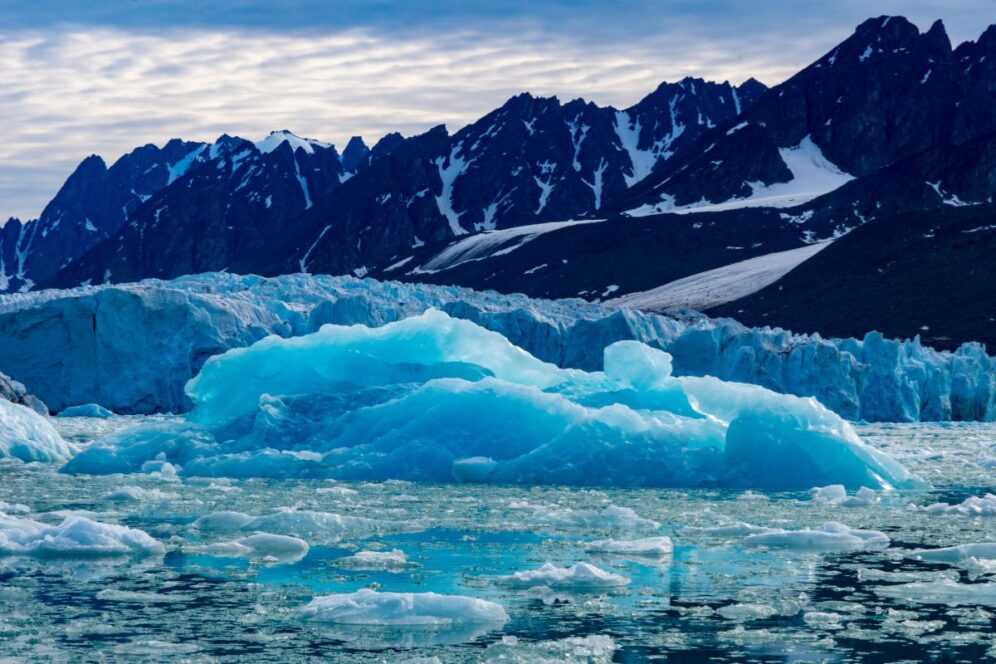
While Iceland and northern Norway draw aurora hunters by the thousands, Svalbard stays refreshingly uncrowded, maybe because getting here takes serious commitment. Maybe because polar bears outnumber humans, but those willing to venture into this Arctic wonderland get rewarded with crystal-clear skies, zero light pollution, and nature’s greatest light show in one of Earth’s most untouched places.
When to See the Northern Lights in Svalbard
Best Season: Embracing the Polar Night
Mid-November through late February marks Svalbard’s aurora sweet spot, coinciding with the polar night period. This isn’t just prime season—it’s nature rolling out the red carpet for the world’s most exclusive light show.
Svalbard’s polar night sets it apart from every other aurora destination. From late October through mid-February, the sun never rises. Complete darkness reigns. While this sounds intimidating, aurora hunters know better—it’s pure gold. Unlike destinations further south, where you get maybe six dark hours each night, Svalbard offers round-the-clock opportunities.
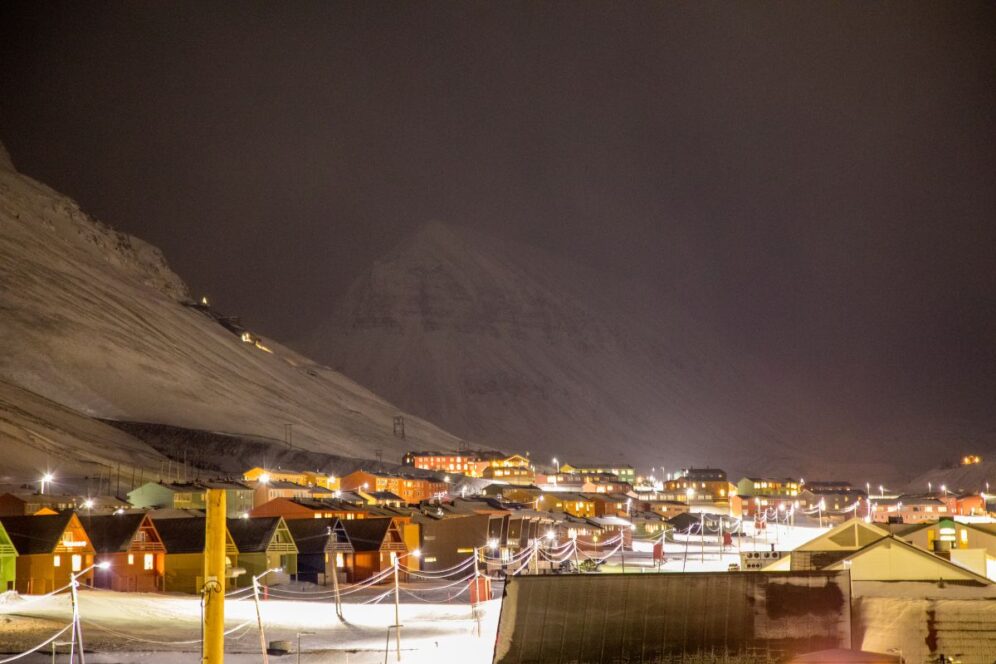
The deepest darkness hits from late November through January. During this period, any time between roughly 10 AM and 6 PM local time can deliver aurora displays—assuming the cosmic pieces align.
Weather and Solar Activity
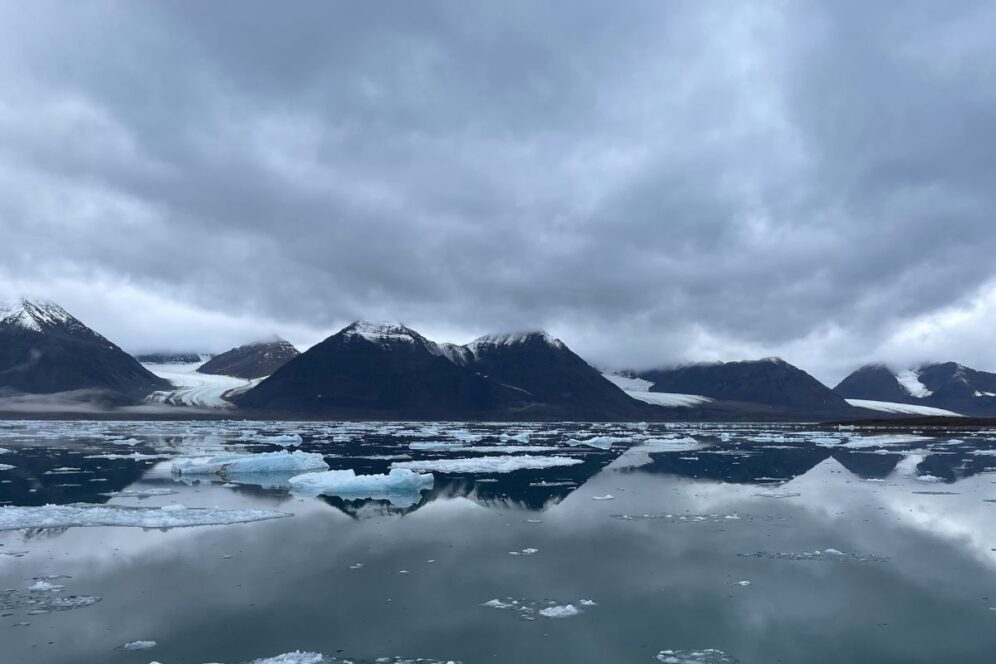
Svalbard’s Arctic climate cuts both ways. The region’s bone-dry air often produces remarkably clear skies, perfect for viewing. But when storms roll in, they stick around for days, wrapping the archipelago in thick clouds.
Weather patterns change fast here. That cloudy evening might transform into crystal-clear conditions within hours. Smart aurora hunters build extra days into their trips specifically for weather curveballs.
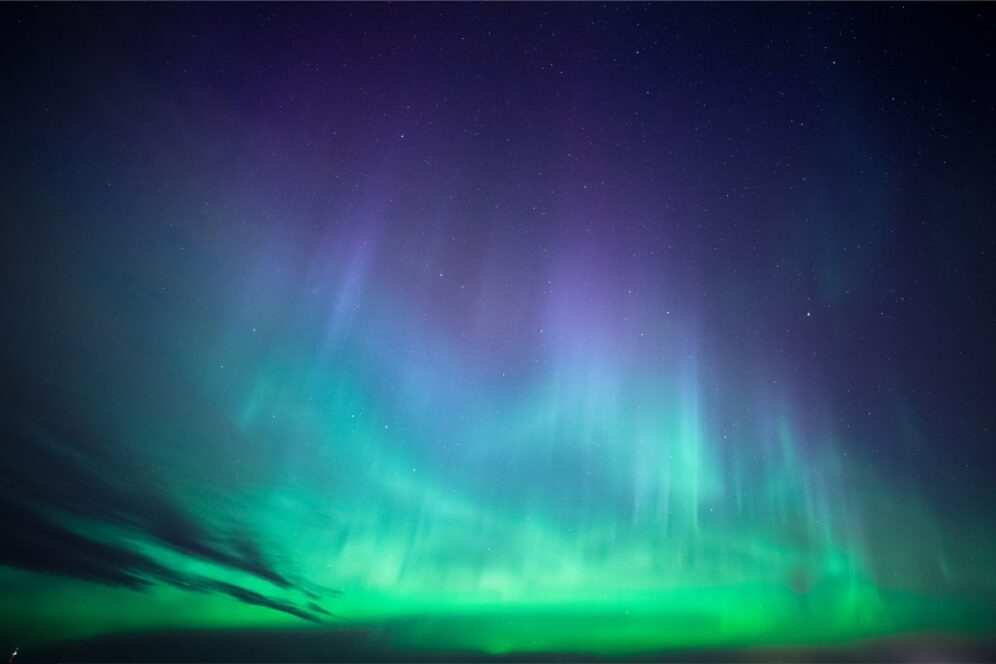
Northern Lights happen when solar particles slam into Earth’s magnetic field. The KP index measures geomagnetic activity on a 0-9 scale. At Svalbard’s extreme latitude (78°N), even moderate activity (KP 2-3) produces visible auroras. Stronger activity (KP 4+) creates spectacular overhead displays that fill the entire sky.
Where to See the Northern Lights in Svalbard
Longyearbyen and Surroundings
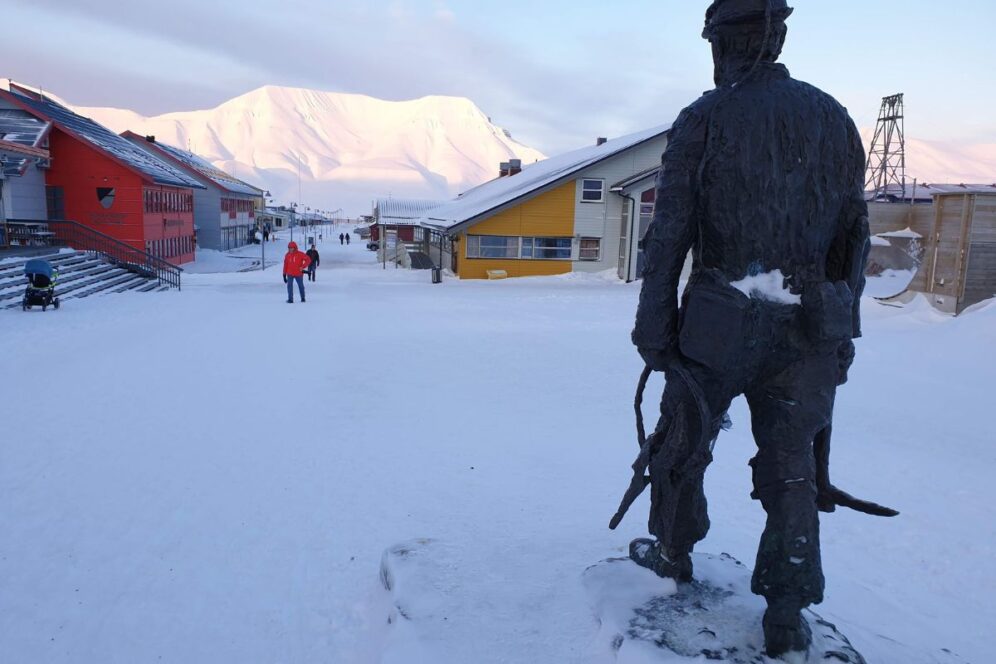
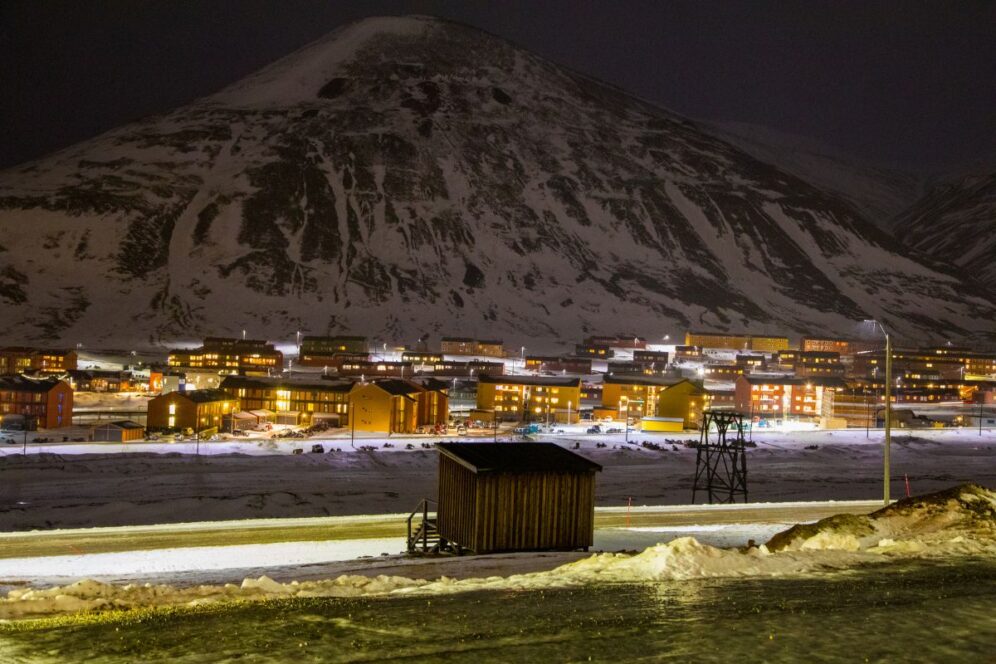
Most Svalbard adventures start in Longyearbyen, the world’s northernmost settlement. The town creates some light pollution, but you don’t need to go far to escape it. A short walk or snowmobile ride to the outskirts provides excellent viewing with easy access to warmth and safety.

The area around Svalbard Airport, five kilometers from the town center, offers particularly dark skies and wide horizons. Many hotels provide aurora wake-up calls for spontaneous displays.
Adventdalen Valley
A 10-15 minute snowmobile ride from Longyearbyen reaches Adventdalen, a broad valley offering some of the best accessible aurora conditions. The valley’s wide-open landscape provides unobstructed views of the entire sky dome, while the distance from town means minimal light pollution.
Tour guides favor Adventdalen for its mix of accessibility and optimal viewing. The flat terrain stays safe for groups while surrounding mountains create dramatic backdrops when auroras start dancing overhead.
Remote Locations
More adventurous experiences await at Isfjorden shores and Foxfonna Plateau. These locations demand guided tours but reward visitors with pristine conditions and profound Arctic solitude. Several outfitters run specialized northern lights tours into remote wilderness areas, offering unmatched access to pristine aurora conditions.
For those preferring warmth, some accommodations feature aurora domes or observatories with large windows designed specifically for Northern Lights viewing.
How to Maximize Your Chances
Guided Tours vs. Independent Viewing
Independent aurora hunting works in Svalbard, but guided tours offer major advantages for first-timers. Local guides know weather patterns and aurora behavior inside out. They monitor conditions all day and can quickly move groups when conditions shift.
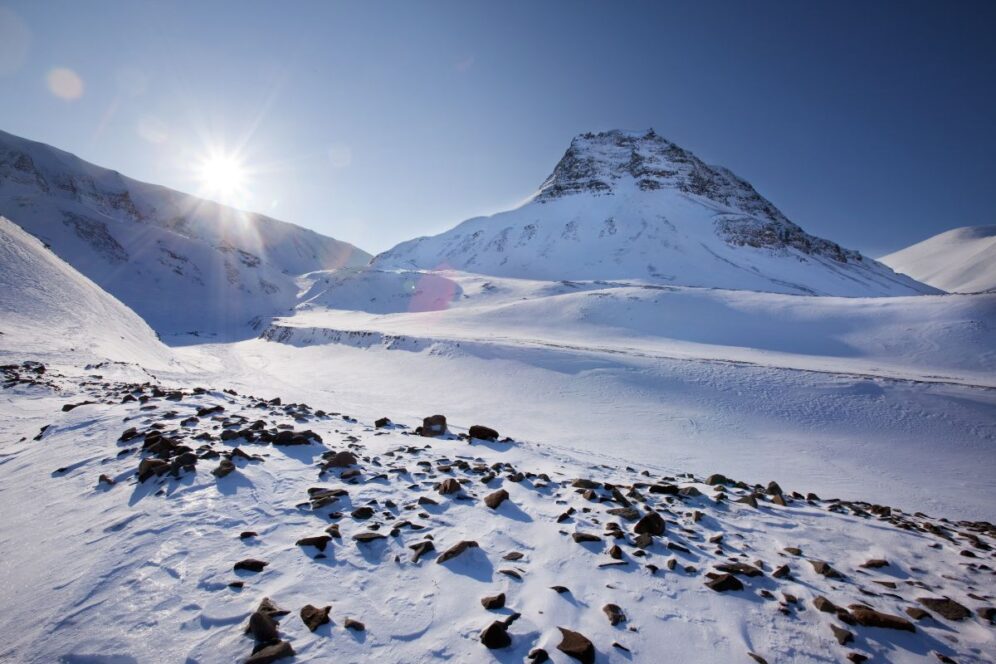
Professional guides handle Arctic travel logistics—safety equipment, polar bear monitoring, and emergency procedures. This lets you focus entirely on the aurora experience rather than navigation and safety concerns.
Technology and Gear
Several smartphone apps provide real-time aurora forecasts and KP index updates. Popular options include Aurora Forecast and Northern Lights Alerts. Cloud cover maps from services like Yr.no help identify clear-sky windows.
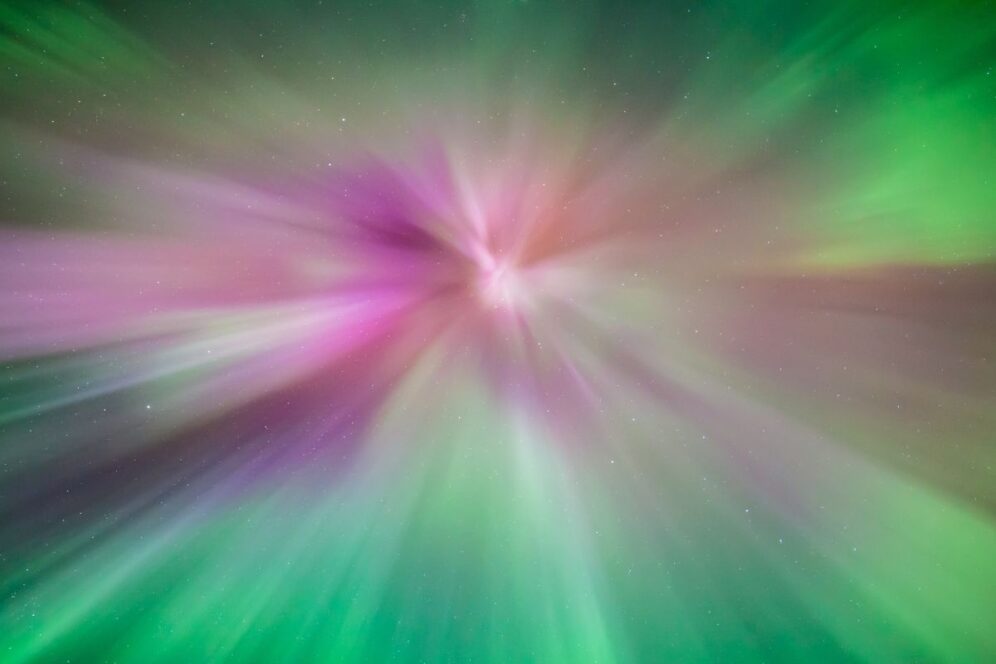
Svalbard’s extreme conditions demand serious preparation. Layer up with thermal base layers, insulated mid-layers, and windproof outer shells. Quality gloves, warm hats, and insulated boots make the difference between enjoyable and miserable experiences.
Photography enthusiasts need sturdy tripods since exposures often require several seconds. Camera batteries die fast in the cold, so bring extras. Basic aurora photography settings: manual mode, ISO 800-3200, aperture f/2.8-f/4, and 5-20 second exposures.
Safety in Polar Bear Territory
Svalbard hosts roughly 3,000 polar bears. Regulations require anyone leaving Longyearbyen to carry polar bear deterrents and usually firearms. This means independent wilderness aurora hunting gets strongly discouraged without proper training and permits.
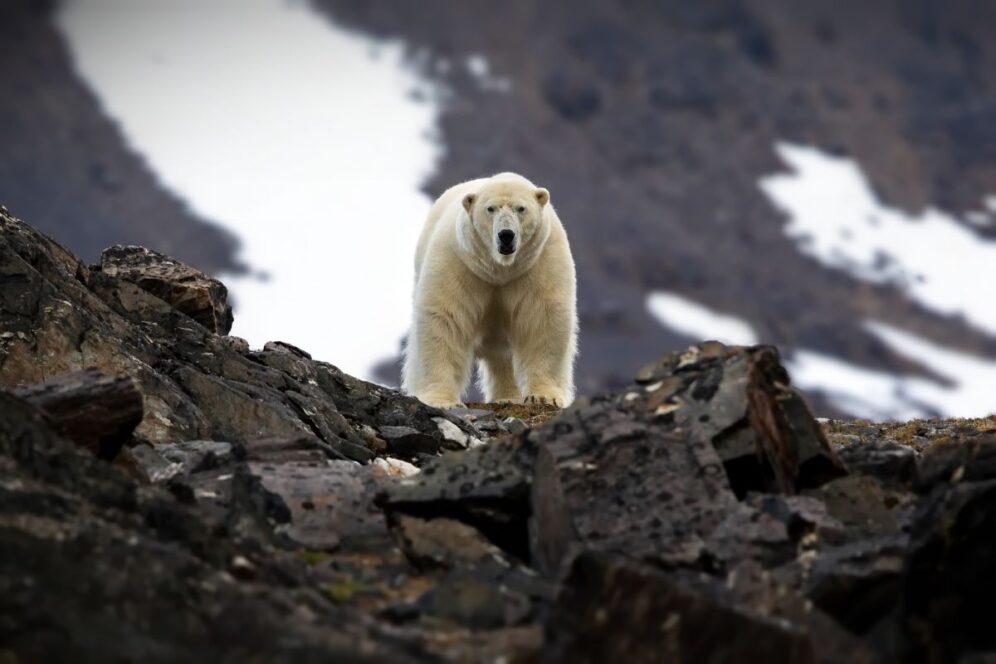
Stick to designated areas around Longyearbyen for independent viewing, or join guided tours with proper safety equipment and trained guides.
Patience and Planning
Successful Svalbard aurora hunting demands patience and flexibility. Solar activity, weather, and cloud cover must all align for optimal viewing. This doesn’t happen on schedule. Plan for a minimum of 5-7 nights to maximize your chances of multiple displays. Book accommodations with flexible policies allowing stay extensions if conditions aren’t favorable. To look up places to stay, check out cozycozy the accommodation comparison site. Experienced aurora hunters avoid rigid schedules, letting weather and aurora forecasts guide daily activities instead.
What to Expect
Aurora photography on social media showcases brilliant colors, but real viewing often differs from enhanced images. To the naked eye, Northern Lights frequently appear as moving gray-green curtains. Colors become more apparent during stronger displays or when your eyes adapt to darkness.
The magic lies in movement—aurora curtains rippling across the sky, sometimes slowly, other times with surprising speed. During intense displays, you might witness rapid flickering or dramatic formations radiating from overhead.
Chasing auroras in Svalbard engages all your senses. The profound Arctic silence creates an almost sacred atmosphere. The cold air feels sharp in your lungs, while the aurora glow reflects off snow and ice, creating dreamlike landscapes. Many visitors describe profound emotional responses—awe at nature’s power and deep connection to the planet’s magnetic rhythms.
Worth the Journey
Svalbard offers the chance to experience Northern Lights in pristine, uncrowded conditions. Here, auroras dance above landscapes unchanged for millennia, in the air so clean and skies so dark the cosmos feels within reach.
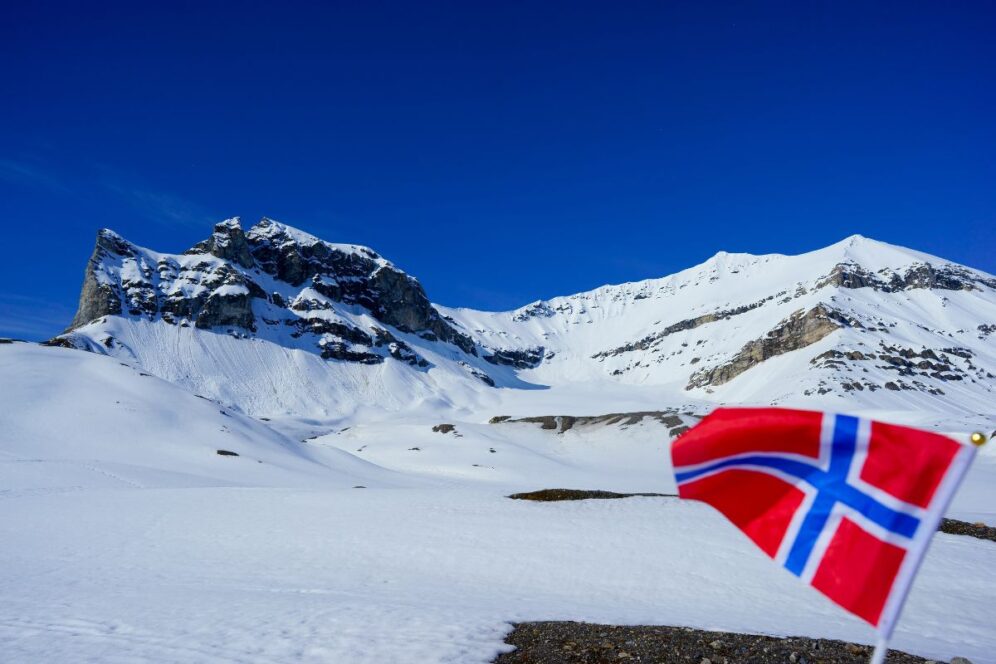
Yes, reaching Svalbard requires more planning and expense than accessible aurora destinations, but the rewards justify the effort for those seeking something extraordinary. Travel thoughtfully, respect local regulations and wildlife, and embrace the slower rhythm Arctic conditions demand.
Northern Lights have danced above Svalbard for millennia—they’ll wait for the right moment to reveal themselves to patient, respectful visitors.


Leave a Reply