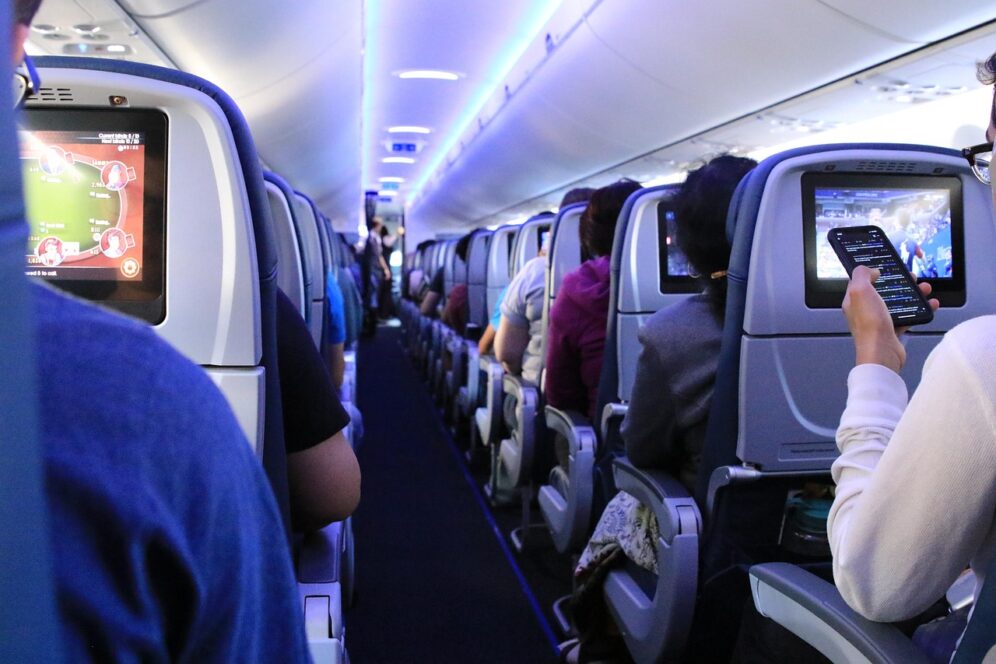
Delta Air Lines is quietly gauging interest in in-flight gambling, and its recent passenger survey has already stirred debate. According to reports from Bonus Finder, travelers were asked whether they would consider using “exclusive access to sports gambling opportunities” via Delta’s Wi-Fi system. Though framed as a simple feedback question, the language implied far more than free games.
Why the Question Matters
Federal law continues to prohibit gambling in US airspace. The Johnson Act of 1962 outlawed it on commercial aircraft, while the Gorton Amendment of 1994 extended the restriction to foreign carriers as well. Airlines may install betting systems, but they must remain disabled during flights over the US.
Against that backdrop, Delta’s question stands out. It signals curiosity about a service that, under current law, is not permitted to exist.
Historical precedent in aviation
This is not the first time airlines have flirted with gaming in the sky. In the 1980s, Singapore Airlines installed slot machines on long-haul routes, but the machines failed almost immediately. In the 1990s, Swissair experimented with digital betting at seats, but safety issues halted the trial. Low-cost carrier Ryanair floated the idea of in-flight gambling in 2005 as part of its revenue diversification efforts, but nothing materialized.
These examples underscore both the ambition and the difficulty of introducing gambling into the air travel environment.
A DK Partnership Has Set the Stage
Earlier this year, Delta announced at CES that it had partnered with DraftKings to launch free gaming experiences across its Delta Sync platform. These contests are strictly for entertainment purposes and do not involve money or SkyMiles; access is limited to passengers aged 21 or older. Still, the survey’s direct mention of “sports gambling” raised eyebrows. As Bonus Finder highlighted, the language shift reflects a cultural moment in which betting has become mainstream enough to be tested, even in unlikely venues.
A Mixed Political Response
The survey prompted immediate criticism from Senator Richard Blumenthal, who urged Delta and DraftKings to halt their collaboration until concerns about addiction and legality were addressed. In contrast, Connecticut representative Christopher Rosario filed legislation that would regulate in-flight betting on flights tied to state airports. His bill even proposed directing one percent of revenues toward public education. Although unlikely to advance quickly, the legislation indicates that policymakers are already considering how to address this frontier.
Broader industry implications
The survey also reflects the rapid mainstreaming of sports betting in the US. With 39 states and Washington, DC offering legalized wagering, gambling has moved from niche to normalized. Airlines now appear to be exploring whether they, too, could one day play a role. While that day is far off, Bonus Finder captured how this simple survey places the airline industry within the wider betting conversation.
The Revenue Potential Is Obvious
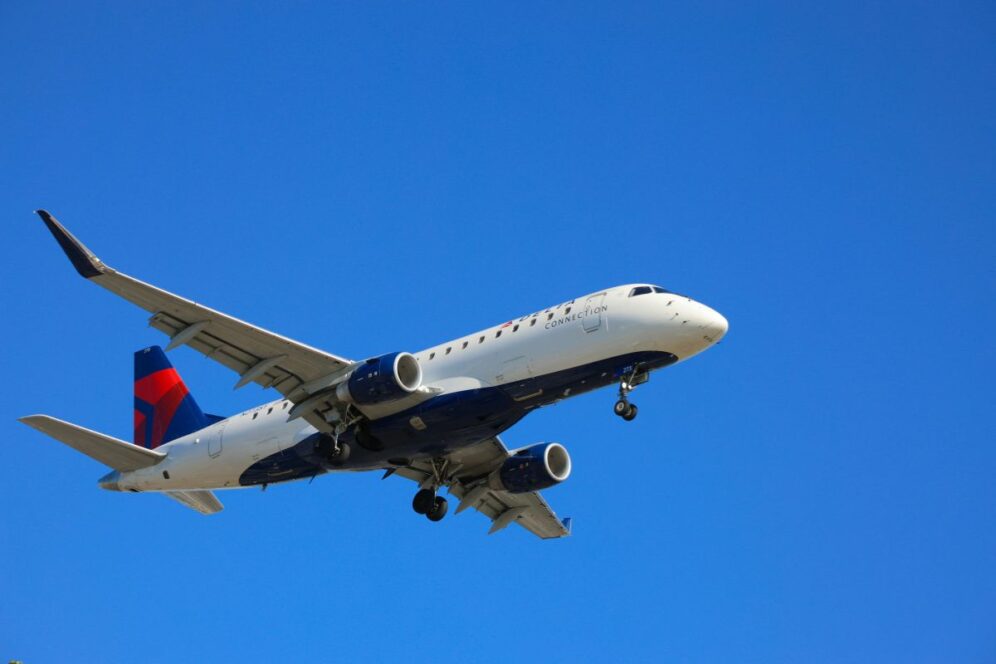
The financial lure is undeniable. A 1996 Department of Transportation study estimated that in-flight gambling could generate $1 million per aircraft annually. Adjusted for inflation, that would translate to more than $1.6 million per plane today, or over a billion across a carrier the size of Delta. For an industry constantly seeking revenue streams beyond ticket and baggage fees, that prospect explains why surveys like this are conducted, despite legal barriers.
How Did the People React?
Public reaction has been mixed. On Reddit, some travelers called the idea reckless, warning about turning already stressful flights into gambling dens. Others dismissed the outrage, noting that passengers already place bets the moment they land in legal states. This divide captures the broader cultural debate over the expansion of sports betting.
A Strategic Test
It is important to view the survey as a strategy, not execution. By asking the question, Delta gathers valuable data: how passengers perceive the idea, how many would engage with free games, and whether there is any appetite for something larger if regulations were to evolve.
Final Thoughts
Delta’s survey does not herald immediate change. Federal law keeps gambling firmly out of the skies. However, the decision to raise the question reveals how far the betting culture has progressed. For airlines, the financial opportunity is massive. For lawmakers, the risks are clear. And for passengers, opinions remain divided. What is certain is that the debate has begun—and it is not likely to fade anytime soon.



Leave a Reply