There’s something liberating about boarding a plane alone, with nothing but your backpack and your own plans. Solo travel isn’t just a trip, it’s a chance to reconnect with who you are when the world isn’t watching. Whether you’re hiking a mountain trail, wandering a quiet town, or passing time playing slots online in a cozy hostel lounge, the experience is entirely yours. Traveling alone can feel intimidating at first. No one to split the costs, no one to help carry the bags, no one to rely on if something goes wrong. But those same “negatives” are often what make solo travel so uniquely rewarding.
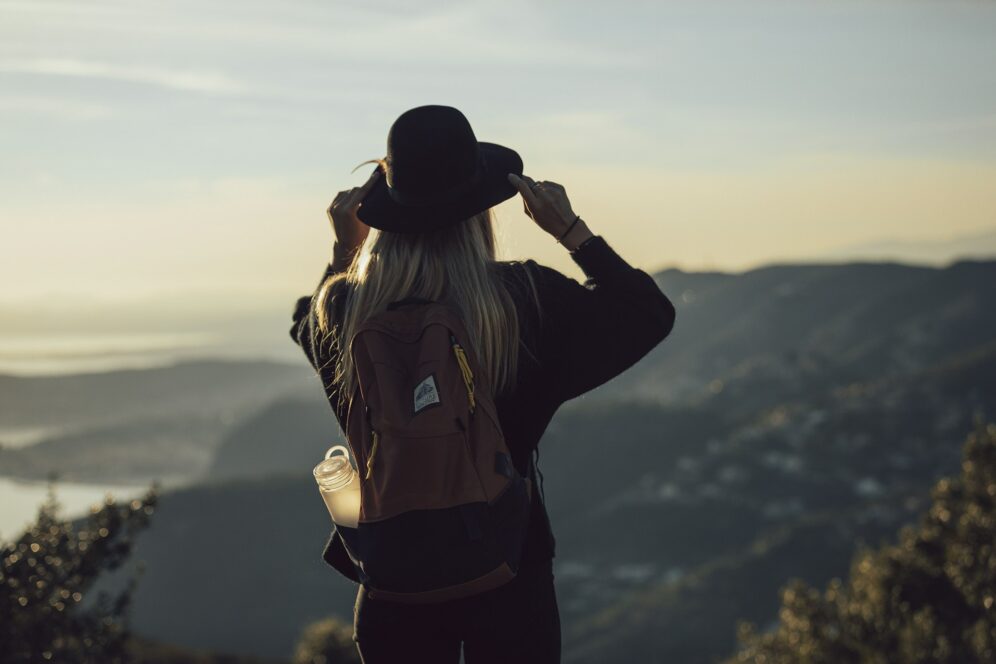
Whether it’s your first solo trip or your twentieth, hitting the road by yourself offers something deeper than sightseeing. It gives you space to grow, freedom to explore your own rhythm, and memories that are completely your own. Here’s why traveling solo might be the most valuable experience you ever give yourself.
You Learn to Trust Yourself
One of the first things solo travel teaches you is self-reliance. Without a partner to navigate or make decisions with, you quickly become your own guide, problem-solver, and support system.
That might mean figuring out how to get from a remote airport into the city at 2 a.m., ordering dinner in a language you barely speak, or trusting your gut when something doesn’t feel right. At home, these decisions are often shared—or avoided. On the road alone, they’re yours.
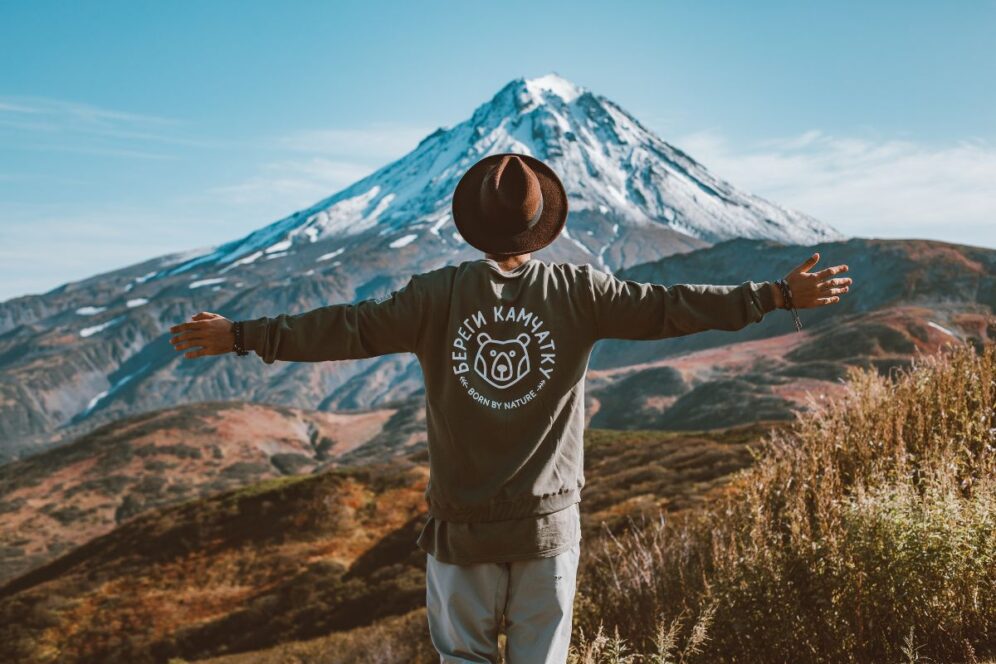
Each successful decision builds confidence. Each misstep teaches resilience. With every situation you handle, you start to trust your own judgment more. That confidence doesn’t stay behind at the border—it comes home with you and seeps into every part of your life.
You Travel on Your Own Terms
Solo travel means complete freedom. Want to spend the day hiking without talking to a single person? You can. Feel like lounging in a café all morning watching the world go by? No one’s rushing you.
You get to design your days based on what excites you, not what compromises you’ve made with a group. That might lead you down an unmarked trail to a quiet viewpoint, into a hidden bookshop in a back alley, or staying out all night watching the stars.
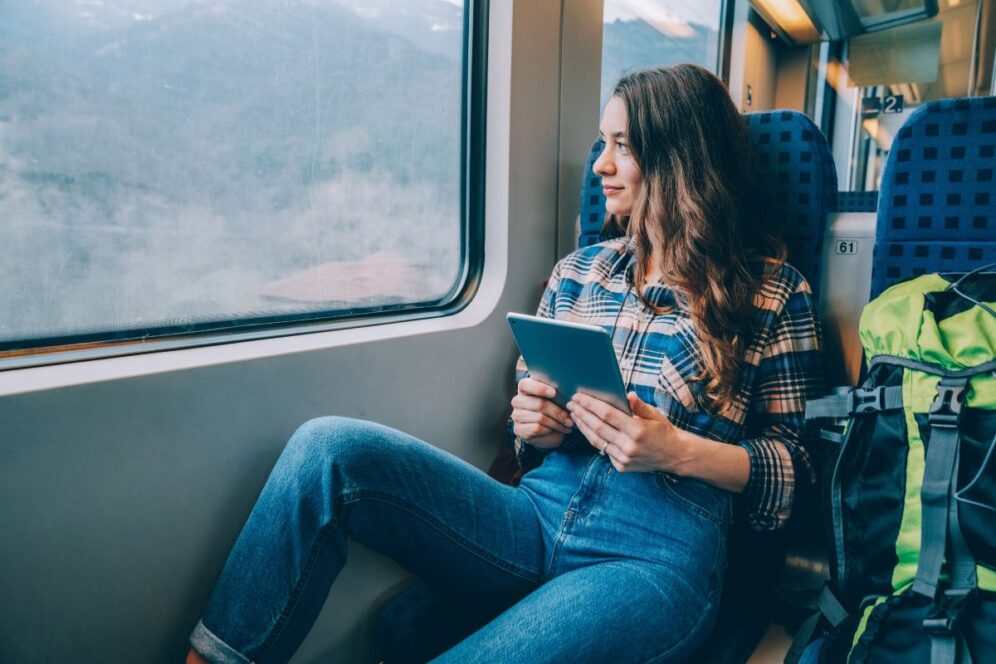
There’s joy in not having to explain your choices or justify your itinerary. You can be spontaneous, indecisive, or endlessly curious—and the only approval you need is your own.
This kind of independence can be deeply healing. It lets you strip away the expectations of others and listen to your own wants and needs, sometimes for the first time in years.
You Meet the World Differently
When you travel alone, you don’t stay alone. You’re more approachable, more open, and more aware. Locals are more likely to strike up a conversation. Other travelers invite you to join them. Strangers offer help or directions when they notice you reading a map.
You become more observant—of people, places, and yourself. There’s no buffer between you and the world. You hear the language differently, notice how the light shifts across the landscape, and feel more present in the moment.
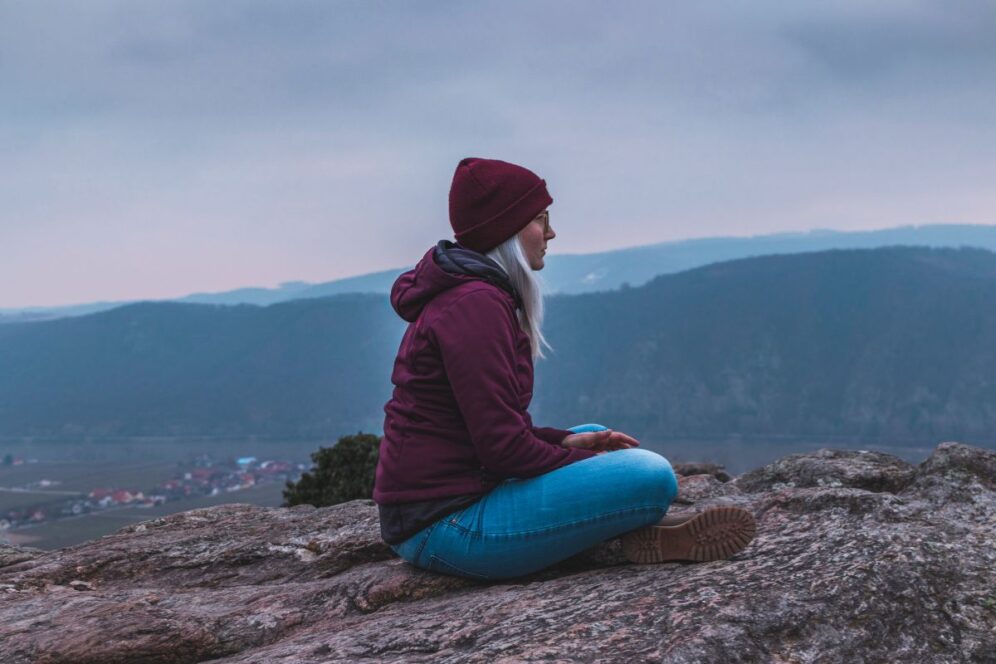
And while not every interaction leads to a lifelong friendship, many solo travelers find they form deeper, more meaningful connections when they’re not insulated by a group.
Some of the best conversations you’ll have on the road will be with people you’ll never meet again. And sometimes, those brief moments of connection are what you remember most.



Leave a Reply