For decades, the car defined urban mobility in the United States. Even for trips that took less than ten minutes, getting behind the wheel felt automatic. But for a growing number of young Americans, that habit is quietly changing.
Across cities and college towns, short-distance travel is being reimagined. Instead of defaulting to cars for every errand, class commute, or meetup, young people are choosing options that feel more flexible, more personal, and better aligned with modern city life.

This shift isn’t about rejecting cars altogether. It’s about questioning whether every short trip really needs one.
City Life Is Getting Denser—and More Frustrating
Urban living today looks very different from a decade ago. Parking is tighter, traffic is heavier, and many neighborhoods are designed with walking paths, bike lanes, and mixed-use streets that prioritize people over vehicles.
For young residents, especially those living near downtowns or campuses, short trips often involve:
- circling for parking
- sitting in stop-and-go traffic
- paying fees just to run quick errands
- planning routes around congestion
What used to feel convenient now feels inefficient. As cities evolve, young people are adapting their mobility choices to match the reality on the ground.
Why “Short Trips” Are Being Reconsidered
Short-distance travel—typically under three miles—represents a large portion of daily movement in cities. These trips include:
- commuting to class or work
- grabbing food or coffee
- meeting friends nearby
- quick shopping runs
- visiting parks or gyms
For many young Americans, these trips don’t require highway speeds or enclosed vehicles. They require something faster than walking, easier than driving, and more adaptable to urban layouts.
That’s where alternatives like the electric bike have gained attention—not as a lifestyle statement, but as a practical response to everyday friction.
Electric Bikes Fit the Way Young People Actually Move
Unlike traditional bikes, modern electric bikes reduce the physical barrier that once limited cycling in cities. Pedal assist and controlled acceleration make riding accessible even when routes include hills, longer distances, or uneven streets.
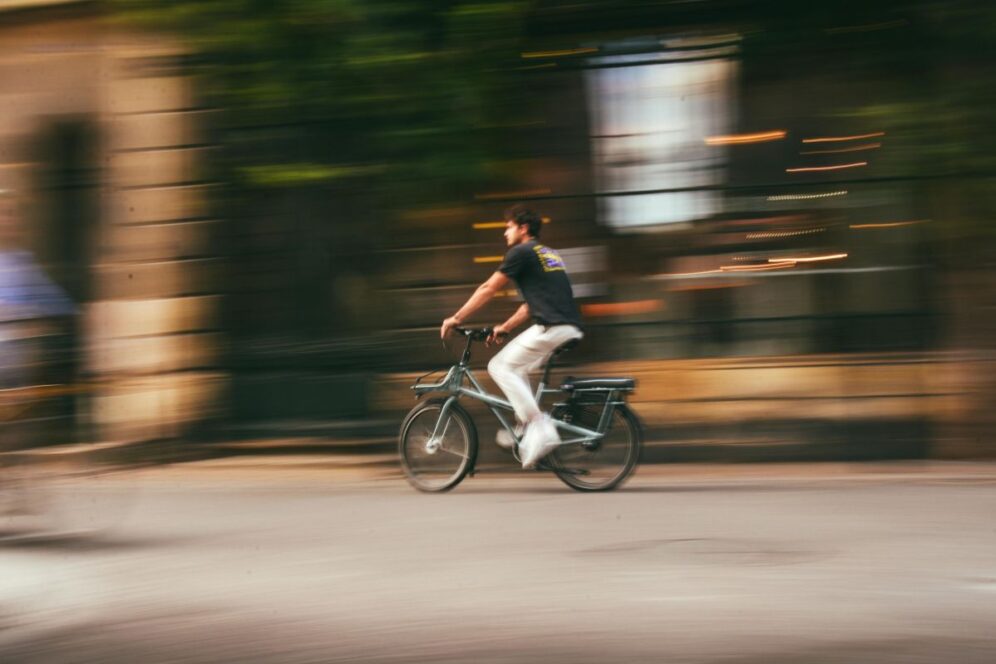
The growing popularity of models with features like an electric bike with throttle reflects a desire for control and ease. Riders can start smoothly at intersections, maintain steady speeds, and focus more on navigating city environments than on physical exertion.
For young riders, this means transportation that feels intuitive rather than demanding.
From “Transportation” to Part of Daily Lifestyle
What’s notable about this shift is how casually it’s happening. Electric bikes aren’t being framed as replacements for cars in every situation. Instead, they’re becoming part of a mixed mobility lifestyle.
Young people are choosing e-bikes for:
- short commutes
- social meetups
- campus travel
- daily routines that don’t justify car use
Cars remain essential for long trips, group travel, and certain weather conditions. But for everyday movement, electric bikes often feel more aligned with how cities are actually structured.
How Design Plays a Role in Adoption
Design has quietly influenced this trend. Today’s electric bikes look very different from early versions. Clean frames, upright riding positions, and stable tires make them feel more like modern urban tools than niche gadgets.

Models like the Macfox X1S, often seen in city environments, are designed for smooth, predictable riding across neighborhoods and campus routes. Meanwhile, bikes such as the Macfox X7, with wider tires and a more grounded stance, offer extra stability on mixed city surfaces without being built for extreme conditions.
These designs help electric bikes blend into city life rather than stand apart from it.
A Generational Shift in How Mobility Is Viewed
Perhaps the most important change isn’t technological—it’s cultural.
Younger Americans tend to see mobility as something flexible rather than fixed. Instead of committing to one mode of transportation, they mix and match based on convenience, cost, and context.
For them, choosing an electric bike for a short trip isn’t a rejection of cars. It’s a rational decision based on time, effort, and environment.
This mindset reflects a broader generational trend: valuing efficiency, independence, and adaptability over tradition.
Why This Trend Feels Less Like Rebellion—and More Like Logic
From the outside, the shift away from constant car use might look like a lifestyle statement. But for those making the choice, it feels practical.
Electric bikes offer:
- predictable travel times
- easy parking
- lower daily costs
- reduced friction for short trips
For parents observing this change, it often appears less like a risky experiment and more like a sensible adjustment to modern urban living.
What This Means for the Future of Cities
As more young people rethink short-distance travel, cities may continue to evolve in response. Expanded bike infrastructure, calmer streets, and more mixed-use neighborhoods all support transportation choices that don’t rely solely on cars.
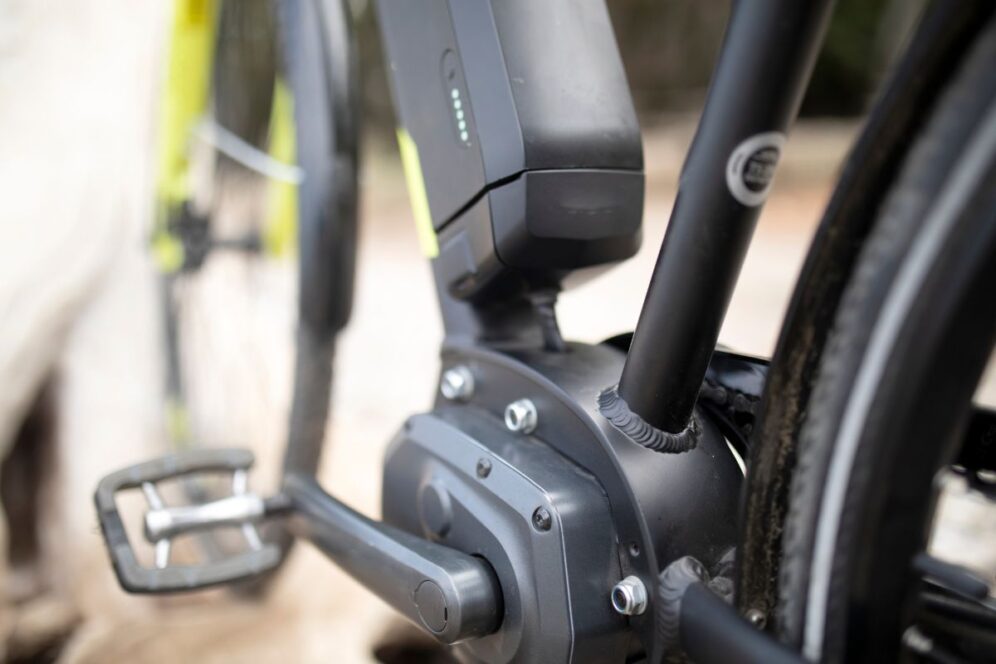
Electric bikes aren’t the entire answer—but they are becoming part of the everyday rhythm of city life.
And for a generation growing up in denser, more connected urban environments, rethinking how to move short distances isn’t radical at all. It’s simply keeping pace with the city itself.



Leave a Reply