River cruises don’t rush you. They don’t shove you through a checklist of “must-see sights.”
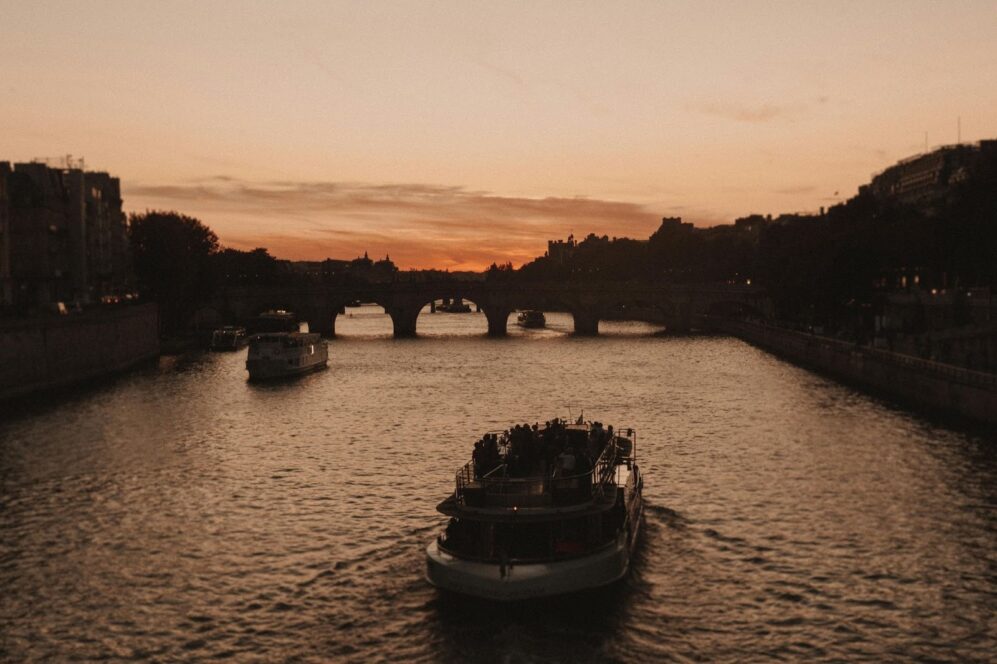
They slide you along the world’s most storied waterways as if you were never supposed to move faster than the river itself. There’s a certain elegance in that. A river cruise isn’t just transportation or tourism—it’s a window into entire civilizations, cuisines, languages, and landscapes that were built because the water was already there.
This is travel without the strain of logistics. The river does the guiding, and the villages wait for you like they always have.
The Allure of Slow-Moving Adventure
People underestimate what it feels like to drift instead of drive. A river cruise allows you to experience the journey as a sequence of layered scenes—vineyards, old mills, stone bridges, fishermen balancing tradition with modern life. It gives travel a rhythm, a pulse. You still cover ground, but the movement feels intentional.
These cruises attract people who don’t need loud declarations of luxury. The luxury is in the pace. The luxury is in the waterline view.
From the Deck to the Village Streets
Villages along major rivers are practically built for arrival. You step off the boat and you’re already in the heart of the place—no shuttle buses, no endless transfers. Coffee shops are next to centuries-old churches, local families run tiny bakeries, and fish markets smell like the morning catch. It’s a walkable kind of wonder.
Where Culture is Still Handmade
Unlike major cities, riverside towns hold onto their identity more tightly. You’ll find craftsmanship that hasn’t been outsourced, festivals that aren’t for tourists, and local recipes that never became global trends. It’s heritage preserved—not framed.
Following the Great Rivers of the World
River cruises are an invitation into history. Cities like Vienna, Amsterdam, Porto, and Basel exist because the rivers connected them long before highways and airports took over. These waterways have always been the first trade routes, the first highways, the first passages into new cultural territory.
Some travelers want oceans. Others want rivers—because rivers bring you into the center of the story.
The Danube’s Royal Drama
A Danube cruise glides through capitals crowned by Habsburg history. Vienna has its coffee culture and Imperial architecture, Budapest arrives like a scene from a novel at dusk, and Bratislava delivers the perfect balance of small-city charm and old-world grandeur. You aren’t just visiting cities. You are connecting their history through the river that binds them.
The Rhône and the Wine-Spun South of France
The Rhône is a different kind of stage. Lavender fields, vineyards, Roman ruins, and ports that always smell faintly of olive oil. It’s the cruise route for people who travel for taste, terroir, and those postcard-perfect scenes that don’t need editing.
The New Appeal: Elegance Without Excess
Unlike ocean liners, river cruises operate on intimacy—smaller groups, quieter docks, and the luxury of low-key experiences. You don’t need a full-scale show or 15 restaurants on board. You want polished edges, not spectacle.
A river cruise is the definition of effortless. The itinerary feels like it was designed for people who refuse to rush through something beautiful.
The Rhine’s Castles and Cliffside Legends
Some stretches of the Rhine feel like you’ve sailed into a fairy tale—castles perched on cliffs, vineyards stitched into steep valleys, riverside towns that still run on old-clock pacing. It’s a cruise designed for photography, history, wine, and architecture that never looks dated.
The Mississippi’s Americana Storyline
Not every river story is European. The Mississippi is a cruise into American folklore—steamboats, jazzy river towns, Southern hospitality, and a history that feels alive. It’s a different kind of romance, rugged yet refined.
More Than Scenery: Rivers Are Living Cultures
The water becomes part of the identity of each stop. You can read the history of a region in its river: the way it shaped trade routes, cuisine, social life, and architecture. Markets, docks, street fairs, and local celebrations all orbit the water. A cruise gives you front-row access to that cultural heartbeat.
The Mekong’s Hum of Daily Life
Floating markets, temples, lantern-lit nights, and riverbank homes. The Mekong is a landscape of movement—boats gliding in every direction, shopkeepers bartering, families cooking outdoors. It’s one of the world’s most immersive river journeys because life still unfolds on the water.
The Nile’s Eternal Timeline
There’s no river more dramatic. It’s ancient, cinematic, and lined with temples that look too perfect to be real. Cruising the Nile puts you inside a museum that just happens to be alive.
Why River Cruises Are the New Luxury Travel
Luxury travel today isn’t anchored in opulence—it’s rooted in experience and access. Travelers want the feeling of discovering something instead of consuming it. River cruises give you the one thing tourism rarely offers anymore: closeness.
You aren’t watching a destination. You’re entering it.
Travel That Feels Designed for Curiosity
Trips shouldn’t feel like chores or assignments. A river cruise gives you freedom without schedules becoming chaos. You only unpack once. You only plan once. And everything flows from there.
The Real Secret—Effortless Exploration
Every day delivers a new stop without the stress of travel days. Each port unfolds like a chapter of the same book, but with a completely new atmosphere. It’s geography and story intertwined.
The View from the Water Changes You
Rivers shaped civilization. Today, they shape travel that’s rooted in discovery instead of consumption. The same water that once carried merchants, explorers, and traders now carries travelers who want to see the world at a different speed.
You won’t just take pictures on a river cruise. You’ll see how history, culture, and daily life meet at the water’s edge—the quiet boundary between past and present.
You travel, but you also observe.
You drift, but you also arrive.
And most importantly, you experience the world the way it was always meant to be seen: one riverbank at a time.

Leave a Reply