Moving to a new home is exciting. However, if you are moving over long distances, it can be complex and involve many aspects. Requirements include careful organization and planning to ensure everything arrives safely. By following a few practical strategies, homeowners can avoid unnecessary complications and make the move smooth. This article discusses four such tips, so continue reading to learn more.

- Create a Detailed Moving Plan
Instead of waiting until the last minute, start preparing several weeks in advance. Create a moving checklist that outlines important tasks like:
- Booking a moving company
- Arranging transportation
- Transferring utilities
- Updating your address with relevant institutions
Break the process into smaller steps and assign specific deadlines to each task. For example, you can set one week aside for sorting household items and another week for packing non-essential belongings. This structured timeline helps you track your progress and prevents important details from slipping through the cracks.
A written plan also helps families coordinate responsibilities. Each member of the household can handle certain tasks. When everyone understands their role, the move becomes more efficient and less chaotic.
- Use Temporary Storage Solutions When Necessary
Long-distance moves do not always follow a perfectly synchronized schedule. Sometimes homeowners must leave their old residence before their new home becomes available. In such cases, temporary storage solutions can provide valuable flexibility. Before you start packing, make sure you have made the necessary preparations.
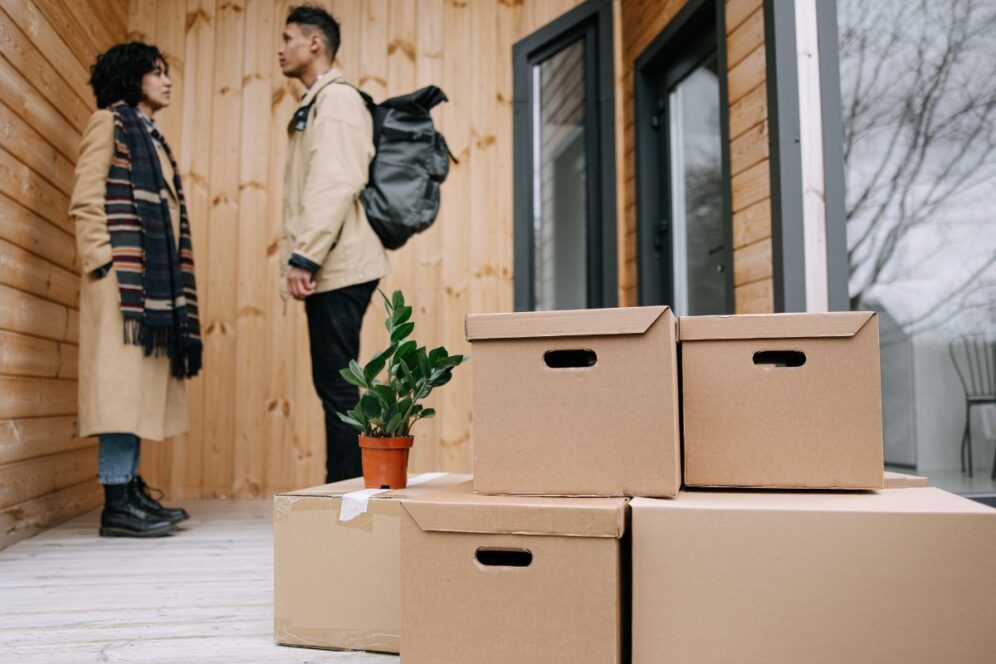
Many people choose portable storage containers to keep their belongings safe during this transition period. Some moving companies also offer drop off storage containers, allowing homeowners to pack their items gradually and have them transported or stored when they are ready. These containers:
- Allow homeowners to pack gradually rather than rushing through the process
- Remain securely stored until the items are ready to be transported to the new location
- Help maintain organization
- Declutter Before You Start Packing
Packing every item you own seems easier, but transporting unnecessary belongings increases the cost and complexity of a long-distance move. Before you start placing anything into boxes, take some time to declutter your home.

Go room by room and evaluate each item carefully. If something no longer serves a purpose or has not been used in a long time, consider donating, selling, or recycling it. Clothes, furniture, kitchen appliances, and decorative items often accumulate over time. A move gives you the perfect opportunity to reassess what you truly need.
Decluttering reduces the total number of items that must be packed, transported, and unpacked. Fewer belongings also make it easier to organize your new home after the move. In addition, donating usable items to local charities allows others to benefit from things you no longer need.
- Label and Categorize Everything Clearly
Proper labeling plays a major role in maintaining organization during a move. Instead of simply writing “kitchen” or “bedroom” on each box, provide more specific descriptions of the contents. For example, labels such as “Kitchen: Cooking Utensils” or “Bedroom: Winter Clothes” make it easier to locate items later.

Many movers also create a numbering system for their boxes. By assigning each box a number and listing its contents on a master inventory sheet, you can quickly verify that all items arrive at your destination. This method helps prevent confusion and reduces the chances of losing important belongings.
Color-coded labels can also simplify the unpacking process. For instance, you can assign a specific color to each room in the new house. Movers can then place boxes directly in the correct areas, saving time and effort once you arrive.
Endnote
A long-distance residential move requires careful preparation, but a well-organized approach can make the experience much easier. Creating a clear moving plan, reducing unnecessary belongings, labeling boxes properly, and using temporary storage solutions all contribute to a smoother transition. Follow these strategies to stay in control of the process and make things easier.



Leave a Reply