Trips feel smoother when phone access stays reliable from departure until return home. Calls from family or colleagues should remain available regardless of location changes abroad. A second connection helps maintain internet access without affecting the primary number. This setup feels practical for short vacations and longer international stays.
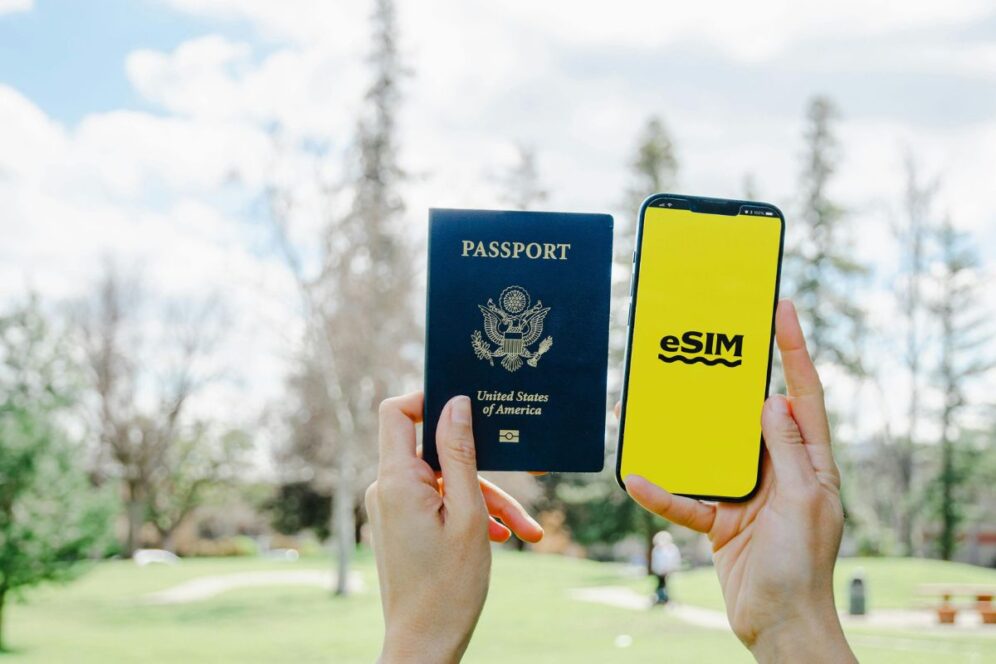
A travel eSIM provides internet access while the original number remains active. Messages, banking alerts, and verification codes still reach the same contact details. No SIM removal or number change keeps communication simple and stress-free. This article explains how to keep your number while using an eSIM.
Step 1: Keep Your Physical SIM Active
Most modern smartphones support dual SIM capability, which allows the original number to remain active. This setup keeps personal calls available while another SIM handles internet access outside home networks. There is no need to remove the primary SIM card before activating the eSIM. Both connections remain available, which helps maintain contact with family members, colleagues, and essential services.
Many people prefer this approach because it prevents confusion with unfamiliar temporary numbers overseas. Bank alerts, verification codes, and urgent calls still reach the main number without disruption. This method also reduces stress because everything continues to work as usual after arrival. A familiar number provides comfort, especially when plans change or unexpected communication becomes necessary.
Step 2: Install the eSIM As a Second line
After purchase, activation details for the eSIM usually arrive through a QR code or manual setup instructions. Open device settings, choose cellular options, then add a new plan carefully. The phone installs another profile without changing the existing number stored on the device. Once activation completes, both lines appear within cellular settings for easier management.
Most compatible devices support quick setup without technical knowledge or complicated instructions. The process takes only minutes, which helps prepare connectivity before departure from home. After installation, the secondary profile remains ready until a supported network connection occurs. This flexible approach allows preparation at home instead of searching for solutions later.
Step 3: Use Primary Number For Calls And Messages
The main SIM continues to handle calls, text messages, and verification alerts normally. This ensures uninterrupted access to contacts, banks, and workplace communication while abroad. Messaging apps linked to the primary number continue without account changes. Contacts still reach the same number, which avoids confusion with temporary contact details.

This setup helps maintain reliability when emergencies or sudden schedule changes occur. Important notifications arrive instantly without reliance on unfamiliar local numbers overseas. A consistent number also helps ride services and reservations confirm identity easily. This familiarity removes uncertainty, especially when communication becomes necessary quickly.
Step 4: Choose the eSIM for Internet Access
After activation, select the travel eSIM as the default connection for mobile internet access. This change allows browsing, navigation, and application use without expensive roaming charges. The primary number remains active while connectivity runs through the additional profile. This separation keeps costs manageable while maintaining essential communication features simultaneously.
Many devices allow manual selection between connections within cellular settings quickly. This flexibility helps control usage without complicated adjustments or technical experience. Internet access becomes available immediately after connection to supported partner networks. This reliable connection supports maps, reservations, and communication tools outside the home country.
Step 5: Keep Both Lines Active
Dual standby capability allows both SIMs to remain active simultaneously, which helps maintain uninterrupted communication everywhere. This setup ensures incoming calls reach the primary number while internet access continues through secondary connectivity. Users can keep personal communication available without disruption, even while internet-dependent applications remain active. This balanced setup removes the need to switch cards physically, which can cause inconvenience.
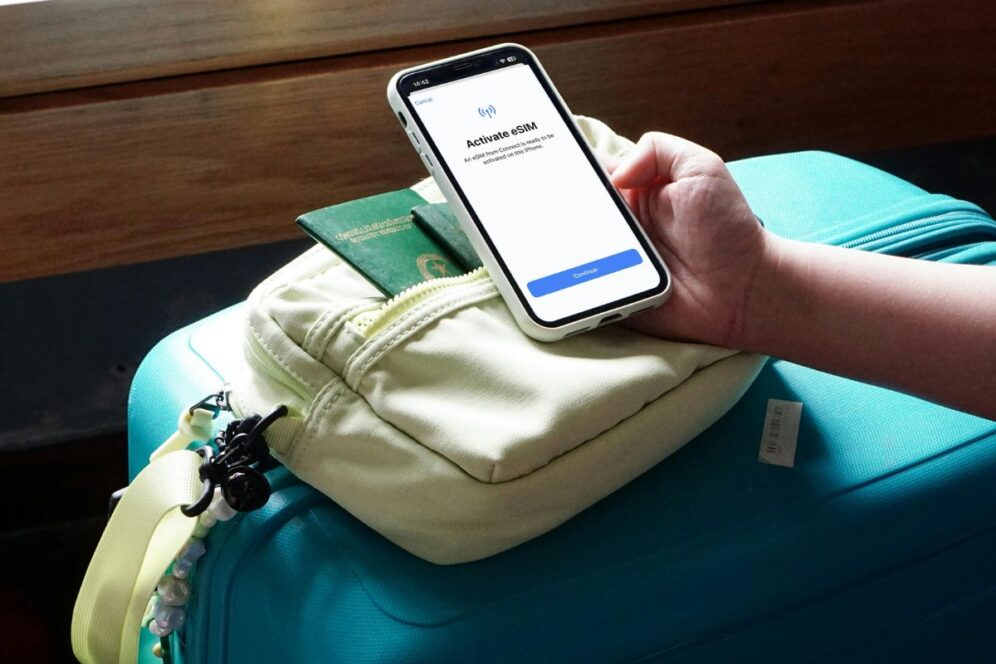
Switching between lines requires only a few taps within the device settings menu. This quick adjustment helps manage connectivity preferences without technical knowledge or complicated configuration steps. Users can easily control which connection handles calls, messages, or internet access. This flexibility supports smoother communication, especially when unexpected situations require immediate contact.
Step 6: Switch Back After Trip
After returning home, change the default internet connection back to the primary SIM easily. The eSIM remains stored on the device, which helps future trips become easier. There is no need for removal unless device storage space becomes necessary later. This flexibility supports reuse without repeating installation or setup steps later.
The original number stays unchanged throughout the entire process without any interruptions. Contacts continue to reach the same line after returning home without confusion. This continuity avoids confusion and keeps communication familiar, stable, and reliable. A simple switch restores normal use without additional effort or complicated adjustments afterward.

Reliable communication abroad makes every trip smoother and far less stressful. A travel eSIM supports internet access while the original number continues to receive calls and messages. This dual setup helps avoid number changes, missed alerts, and unnecessary complications. Upgrade connectivity before the next trip and enjoy seamless communication wherever plans lead.



Leave a Reply