The Pacific Northwest is built for the kind of travel that punishes rigid schedules. A clear morning in the Cascades can turn into a socked-in afternoon on the coast. A ferry delay can shift dinner by two hours. A campground that looks like a quick stop on the map can turn into the place you want to stay an extra night.
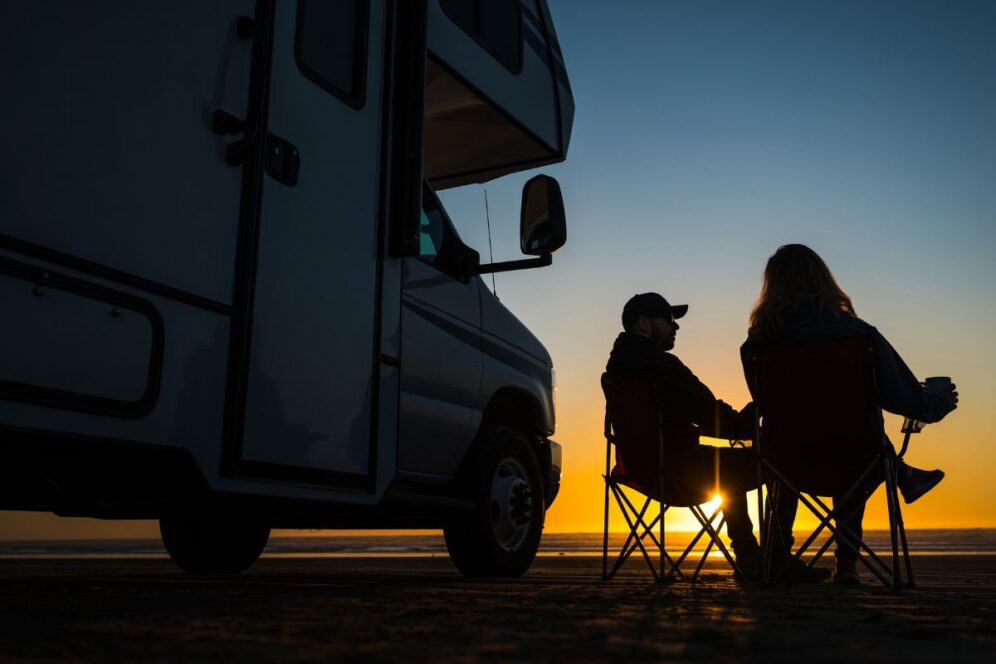
That is exactly why RV travel works so well here. Washington and Oregon reward people who leave room in the plan. The best trips are not built around checking off every overlook, waterfall, beach town, and trailhead in one week. They are built around choosing the right region, matching the RV to the roads, and giving yourself enough flexibility to follow the weather.
Start With One Region, Not the Whole Map
The classic mistake is trying to cover Seattle, the Olympic Peninsula, Mount Rainier, the Columbia River Gorge, Bend, Cannon Beach, and Crater Lake in a single loop. It looks reasonable on a map. It feels exhausting on the road. For a first Pacific Northwest RV trip, pick one lane:
- Olympic Peninsula and the Washington coast
- Mount Rainier and the Cascades
- Oregon Coast from Astoria to Florence
- Columbia River Gorge and central Oregon
- North Cascades and the San Juan Islands
Each one can fill a week without rushing. Each one also has different road conditions, campsite types, and weather patterns.
The Olympic Peninsula is ideal for travelers who want rainforests, beaches, lake views, and quieter campgrounds. The Oregon Coast is better for people who want small towns, seafood, state parks, and dramatic ocean pullouts. Central Oregon is drier, sunnier, and easier for travelers who want mountain biking, fly fishing, and high-desert scenery.
Choose Campgrounds Around Drive Time
RV trips get worse when every day becomes a relocation day. The sweet spot in the Pacific Northwest is usually two or three nights per basecamp. A good week might look like this:
- Two nights near Port Angeles for Hurricane Ridge and Lake Crescent
- Two nights near Forks or Kalaloch for rainforest and coast access
- Two nights near Ocean Shores or Long Beach for a slower beach finish
That itinerary does not look dramatic, but it gives the trip breathing room. You can hike in the morning, nap when the rain comes in, cook dinner at camp, and still feel like you saw the region properly.
State parks are often the best campground option. Washington and Oregon both have strong state park systems with RV sites, dump stations, and access to beaches or trails. Reservations matter in summer, especially for coastal parks and holiday weekends.
Match the RV to the Roads
Not every RV belongs on every Pacific Northwest road. Coastal highways, ferry terminals, forest roads, and older campgrounds all reward smaller rigs. Class B vans and shorter Class C motorhomes are the easiest fit for travelers who want to move often, use ferry routes, and stay flexible. They handle tighter campground loops and small-town parking better than larger rigs. Travel trailers work well for families who want more space and plan to stay several nights in each campground.
Large Class A motorhomes can be comfortable on major routes, but they require more planning. Some scenic pullouts are tight, some park loops have length limits, and many forest-service roads are not worth the stress in a long rig.
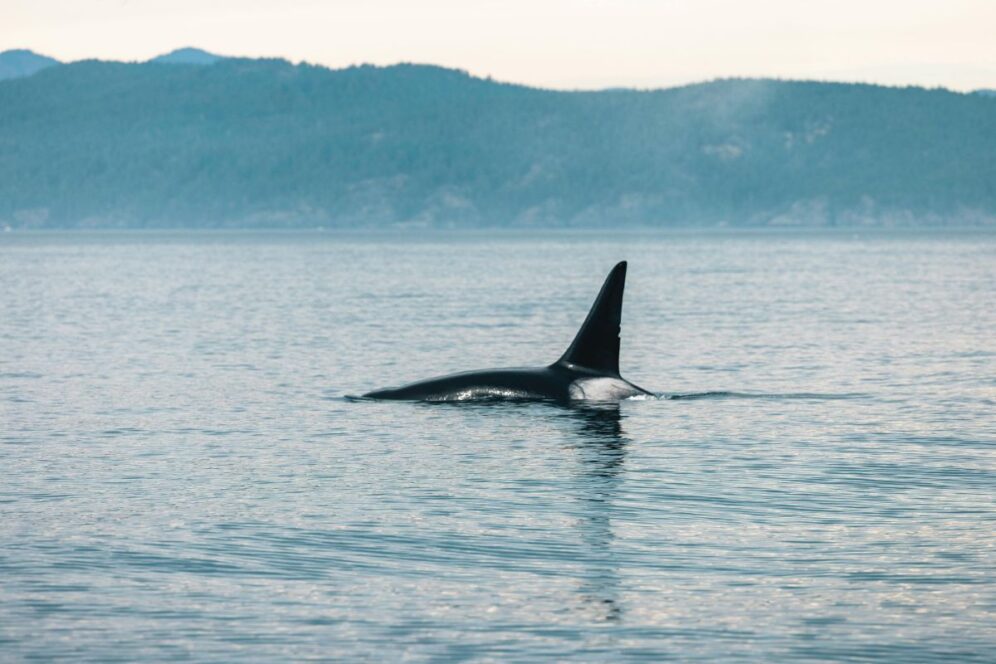
Before you reserve anything, check actual site length, driveway slope, tree clearance, and whether the campground has back-in or pull-through sites. A site listed for 35 feet may technically fit the RV but still be awkward if the road into the loop is narrow.
If you are still deciding what kind of rig fits this style of travel, use a tool that helps you find the right RV for your adventure before you book the trip. The best RV for a family road trip is the one that matches how you actually plan to move, park, sleep, cook, and explore.
Build Around Weather, Not Against It
Pacific Northwest weather is not a reason to avoid the trip. It is a reason to plan smarter. Summer brings the easiest travel conditions, but also the highest campground demand. September is often the best balance: fewer crowds, mostly stable weather, and comfortable temperatures. Spring can be beautiful, especially in the Gorge and on the coast, but snow can linger in mountain areas. Winter trips are possible along the coast, but storms and road closures require more flexibility.
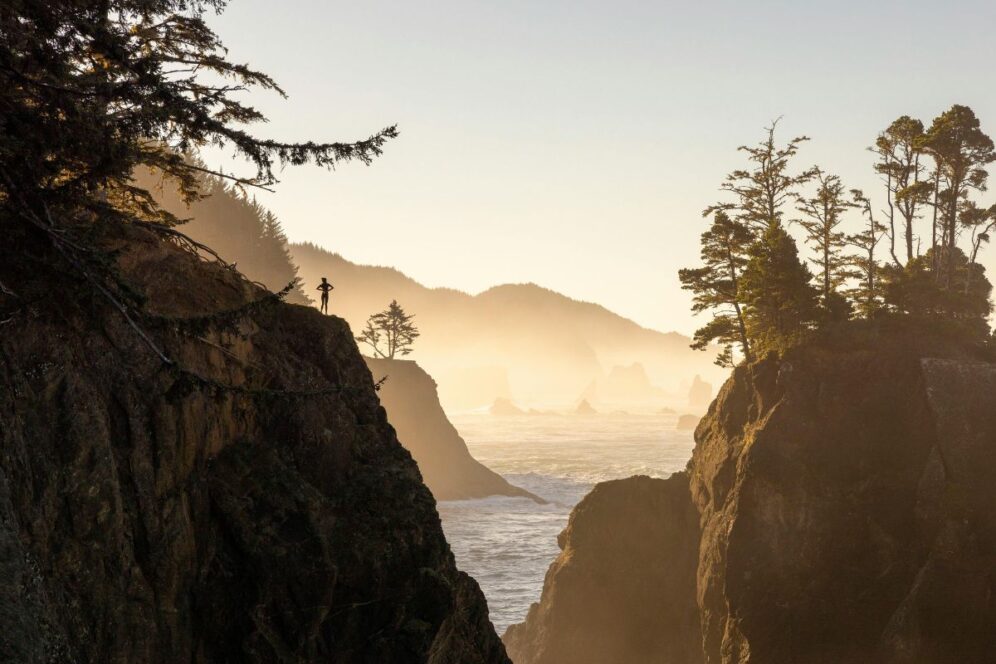
The key is to build a trip with indoor and low-effort options. On the coast, that might mean a seafood lunch, a lighthouse stop, or a short beach walk between showers. Near the mountains, it might mean a scenic drive, a visitor center, or a campground day with the awning out and a pot of coffee on.
An RV makes bad weather easier because you are not trapped in a hotel room waiting for the day to improve. You still have your kitchen, gear, dry clothes, and a comfortable place to reset.
Pack for Layers and Mud
The packing list is simple but important:
- Waterproof shell
- Warm midlayer
- Trail shoes you do not mind getting dirty
- Extra towels
- Camp mat for the RV entry
- Headlamp
- Binoculars
- Backup phone charging cable
Skip the fantasy packing. You do not need three nice outfits, a mountain of specialty gear, or a complicated outdoor kitchen. You need layers, dry socks, and a place to store wet shoes.
For food, plan around simple camp meals plus local stops. The Pacific Northwest is full of farmers markets, fish shops, coffee roasters, bakeries, and roadside produce stands. Leave space in the fridge.
Give Yourself One Unplanned Day
The best Pacific Northwest RV trips almost always include one day that was not on the original plan. Maybe the weather opens up near Rainier. Maybe a coastal campground has an extra night. Maybe the kids want another beach day. Maybe a ferry delay turns into an excuse to explore a small town you would have skipped.
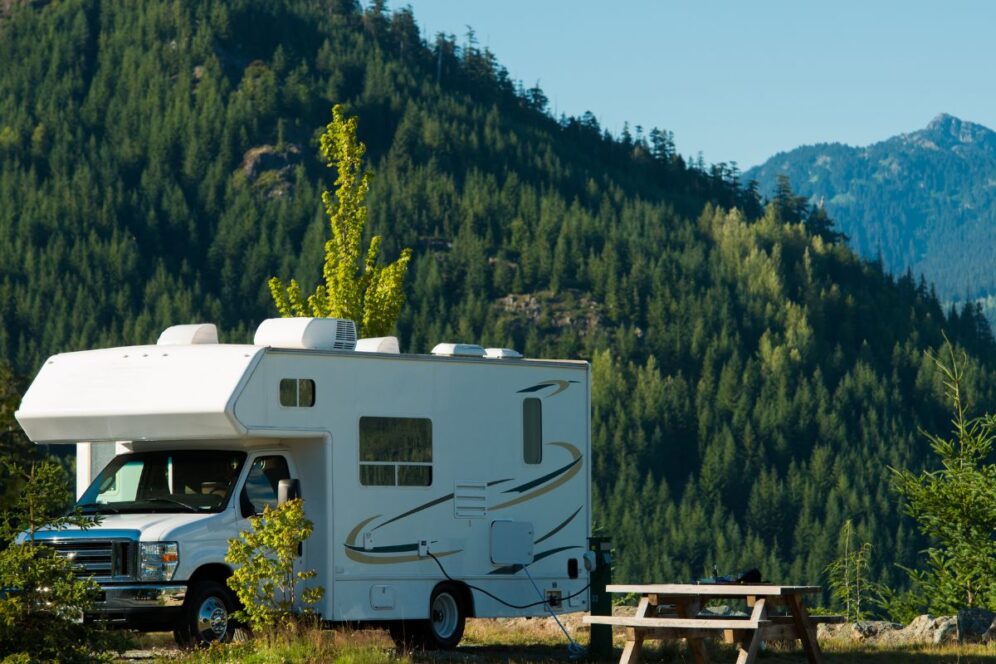
Plan the backbone: route, campground anchors, major drive days. Then leave enough space for the region to surprise you. The Pacific Northwest is better when you stop treating it like a checklist and start treating it like a place you can move through slowly.
That is where RV travel shines. You bring the essentials with you, but you are not locked into one version of the trip. You can follow the weather, stay close to the places that feel right, and keep the day loose enough to enjoy what you actually came for.


Leave a Reply