Photo by Zoshua Colah on Unsplash
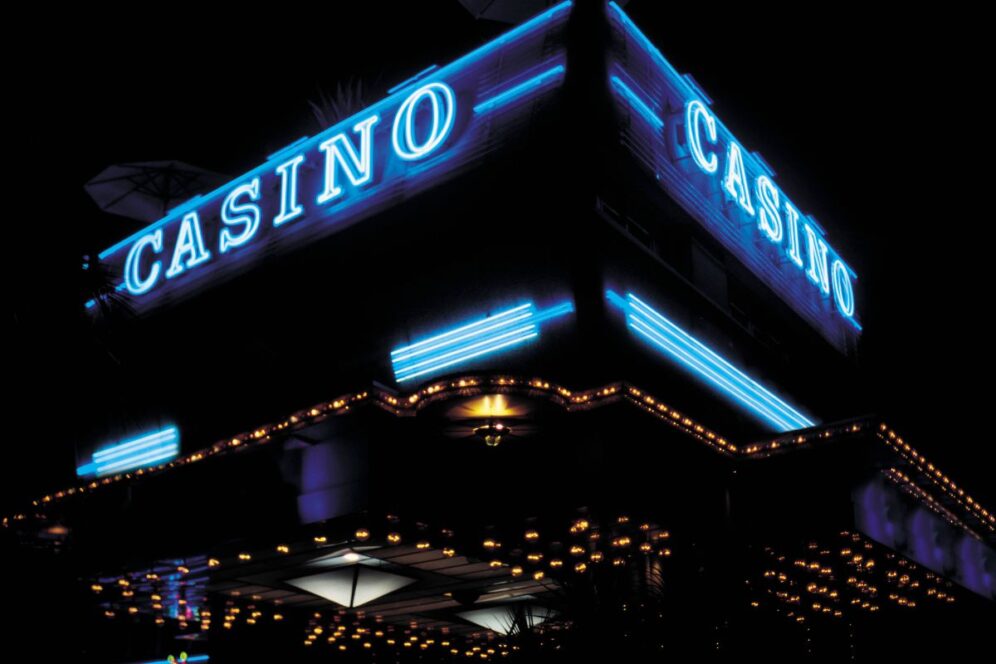
There was a time when a casino holiday meant exactly what the name suggested. Travellers chose a destination because of its gaming floors, booked a hotel nearby and organised much of the trip around the casino itself. Las Vegas remains the clearest example, but destinations from Monte Carlo to Macau built international reputations around a similar relationship between tourism and gaming.
That model has not disappeared, but the traveller has changed. A modern trip is more likely to combine several interests within the same itinerary. Someone might spend the morning exploring a neighbourhood, the afternoon outdoors, the evening at a restaurant and only part of the night around casino entertainment. Smartphones have added another dimension, allowing digital leisure to travel with us rather than requiring a dedicated destination.
For travel businesses and destinations, that shift matters. Visitors increasingly want variety, flexibility and the freedom to decide what kind of experience suits a particular moment.
The Casino Is No Longer the Whole Itinerary
Las Vegas provides a useful example of how much casino tourism has broadened. Gaming remains part of the city’s identity, yet visitors now encounter an enormous collection of restaurants, shows, sporting events, shopping, pools, museums and nearby outdoor attractions.
Seattle’s Travels has previously approached Las Vegas in much the same way, presenting its casinos alongside dining, live entertainment, shopping and excursions into the surrounding desert. That reflects how many people actually travel today. They are not necessarily looking for one dominant activity to occupy an entire holiday.
The same principle applies elsewhere. A casino may be an interesting evening stop rather than the reason for booking the flight. Travellers can build itineraries around food, architecture, nightlife, beaches or outdoor adventures and still leave space for gaming if it interests them. That makes casino tourism less isolated from mainstream travel than it once appeared.
Gaming Can Now Follow the Traveller
Digital access has changed the relationship between gaming and place even further. Many forms of entertainment that once required a particular venue are now available through a smartphone.
This is particularly noticeable during the quieter parts of a trip. Even a packed itinerary contains waiting time, whether that means sitting in an airport departure lounge, returning to a hotel early or relaxing for an hour before dinner. Travellers might use those moments for streaming, reading, social media or mobile games.

For adults who enjoy casino games, a casino online experience through MrQ follows the same mobile first pattern. The platform offers slots, table games and live casino titles that can be accessed through compatible mobile devices, meaning gaming does not have to be connected to a visit to a traditional casino floor.
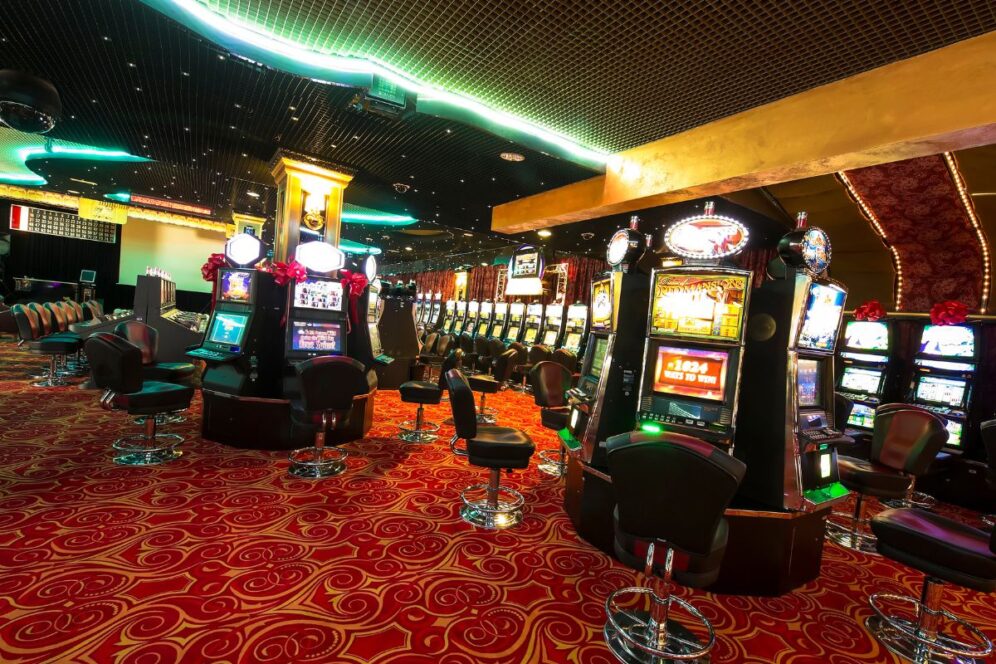
This does not make the physical casino irrelevant. In fact, it highlights what makes travelling to one distinctive. A phone can provide access to a game, but it cannot reproduce the architecture, restaurants, performances, crowds and atmosphere surrounding a major casino resort. The two experiences increasingly exist alongside each other rather than serving as direct replacements.
A Good Casino Destination Needs More Than Games
For travellers, the most interesting casino destinations tend to be places where stepping outside the gaming floor immediately presents another possibility. That could mean an exceptional restaurant downstairs, a major concert nearby or an interesting neighbourhood within walking distance. In resort destinations, pools, spas and shopping can become equally important parts of the stay. In places surrounded by dramatic landscapes, the contrast can be even greater.
Seattle’s Travels, for instance, highlights Skagit Valley as a destination combining outdoor attractions, seasonal experiences and local hospitality, while also mentioning a casino and lodge among the area’s leisure options. It is a good illustration of how gaming can sit within a much wider trip without defining it.
This broader approach is particularly attractive to groups. Not everyone travelling together will have identical interests. One person might enjoy casino games, another might prefer a show, while someone else would rather explore local restaurants. Destinations offering several options make it easier for everyone to build an evening they actually enjoy.
Travellers Are Becoming More Selective With Their Time
Choice creates another challenge: deciding what deserves a place in a limited itinerary. Travellers have become extremely good at researching destinations before arriving. Reviews, maps, social media, travel blogs and booking platforms make it possible to compare restaurants and attractions from a hotel room or even while walking down the street. As a result, a famous name alone may not be enough to claim an entire evening. Visitors can quickly discover alternatives nearby and change their plans.
That encourages casino resorts to compete on much more than gaming. Dining quality, entertainment, design, location and accommodation all contribute to whether somewhere feels worth visiting.
Major travel media increasingly treats Las Vegas in precisely this broader way. Condé Nast Traveler, for example, covers the city through its hotels, restaurants, entertainment and other visitor experiences rather than reducing the destination to casino gaming alone. For travellers, this is useful. It means a casino stop can be judged in the same way as any other part of an itinerary: does it add something worthwhile to the trip?
Nightlife Is Becoming More Flexible
The traditional night out is changing too. Travellers do not necessarily leave their hotel at dinner and remain out until the early hours. An evening can move between several different settings.
A couple might have dinner somewhere local, walk through a busy entertainment district, stop for a drink and then return to the hotel earlier than expected. Another group may attend a concert before deciding spontaneously where to go afterwards.

Mobile technology supports this looser style of travel. People can check opening hours, make reservations, arrange transport and find entertainment without planning every detail in the morning.
It also means staying in occasionally feels less restrictive. A quiet hotel evening can include a film, video call, game or planning session for the following day. After several days of sightseeing, that can be considerably more appealing than forcing another activity into an already crowded schedule.
Local Experiences Still Give Travel Its Value
There is an interesting contradiction in modern tourism. Travellers carry more digital entertainment than any previous generation, yet many are simultaneously searching for experiences that feel distinctly local.
That is why mobile convenience works best when it supports travel rather than replaces it. A smartphone can help locate a restaurant, but eating the local food is the experience. It can provide directions to a hiking trail, but the landscape is what people remember.
Casino entertainment follows a similar distinction. Digital gaming may be convenient during downtime, while a physical resort can become part of the destination itself through its architecture, atmosphere, food and entertainment.
The memorable element of travel usually comes from context. Playing a familiar game can be enjoyable, but walking through a city for the first time, discovering an unexpected restaurant or seeing a landscape that looked completely different in photographs creates another kind of memory.
Building a Trip Around Variety
The most satisfying itineraries often have enough structure to prevent wasted time but enough flexibility to allow plans to change. For travellers interested in casino entertainment, that might mean choosing one evening for a resort or gaming venue rather than building every day around it. The rest of the trip can then develop around whatever makes the destination distinctive.
In Las Vegas, that could mean combining the Strip with restaurants, performances and desert scenery. Elsewhere, casino entertainment might simply sit alongside beaches, cultural attractions, nightlife or outdoor adventures.
This approach also prevents a holiday from becoming repetitive. Even an activity someone genuinely enjoys can lose some of its appeal when it fills every available hour.
A Different Kind of Casino Trip
Casino tourism is not disappearing. It is becoming less rigid. Travellers can still visit famous gaming destinations, but they no longer have to treat gaming as the organising principle of the entire journey. Physical resorts have evolved into broader entertainment environments, while digital platforms have made casual gaming portable.
The result is a traveller who can move easily between experiences. An afternoon might belong to sightseeing, dinner to local food, part of the evening to casino entertainment and the next morning to something completely different.
That variety fits naturally with the way people travel now. The best trip does not have to belong to one interest. It can borrow a little from several, leaving travellers with a collection of experiences rather than a holiday defined by a single activity.



Leave a Reply