Renting a bike in a big city comes with instant confidence. For the first few minutes, you feel breezy, spontaneous, almost cinematic. Then a delivery truck appears, a car door swings open, a bus sighs beside you, and the street reminds you who has more experience.
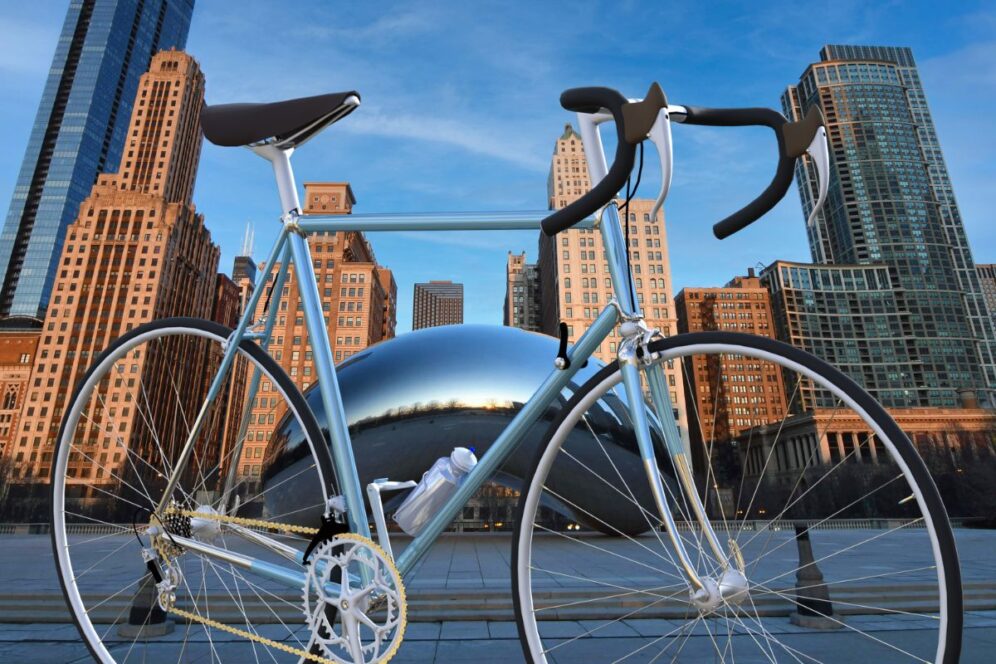
Chicago is still a brilliant place to explore by bike. You get lakefront views, neighborhood food stops, public art, old brick buildings, glassy towers, and the street-level details you miss from inside a rideshare. The trick is to keep the mood easy while staying aware. Chicago rewards riders who stay flexible, look around, and leave room for the unexpected.
Start With the Ride You Actually Want
The easiest way to ruin a bike day is to plan it like a personal endurance test. Chicago looks manageable on a map until wind, traffic lights, construction, crowds, and your sudden need for a pastry all start making their own demands.
Pick one main route and let the rest of the day grow around it. The Lakefront Trail is popular for a reason: water views, skyline moments, beaches, parks, and enough open space to feel like you’ve slipped out of the city without really leaving it. From there, add one neighborhood stop, a lunch plan, or a slow stretch past the kind of architecture that makes you keep pulling over.
This is also where a little practical thinking helps. Rental bikes, unfamiliar streets, and busy intersections can complicate a simple outing, so it’s useful to understand the basics of Chicago cyclist injury claims before you ride. Think of it like checking the weather or saving your hotel address. You hope it stays irrelevant, but it’s better to know where the information lives.
A good route should leave you with stories, not a stress headache. Keep it realistic. Stop often. Let the bike make the city feel bigger in the best way.
Check the Bike Before It Becomes a Problem
A rental bike can make you feel weirdly committed to the role. Suddenly, you have opinions about bike lanes. You are wondering whether your outfit says “effortless urban explorer” or “person who forgot sunscreen.”
Still, give the bike a proper check before you roll away. Test the brakes. Adjust the seat. Make sure the tires feel firm. If you’ll be out later in the day, check the lights. If you’re using an e-bike, take a minute to understand the assist settings before you accidentally launch yourself into traffic with more enthusiasm than planned.
Comfort matters more than looking casual. A low seat makes every block harder. Weak brakes, loose handlebars, or a sticky gear shift can turn a charming ride into a slow negotiation with regret.
If something feels wrong, swap the bike before you start. The best rental is the one you forget about because it simply works.
Give the Streets Your Full Attention
Urban biking comes with tiny surprises that feel personal. Parked cars stay quiet until a door opens. Buses take up more emotional space than expected. Intersections can look simple until several people make questionable decisions at once.
Ride predictably. Hold your line, signal early, and avoid darting between parked cars when the street gets tight. Keep space between yourself and the car doors whenever you can. That small buffer can make the ride feel calmer and give you more time to react.
It’s worth brushing up on basic bicycle safety tips, especially if most of your riding happens on quieter streets. A few reminders about visibility, road position, and awareness can make a rental-bike day feel less improvised.
The distractions are part of the charm, of course. Skyline views, murals, bridges, and corner bakeries will all compete for your attention. Stop for them. Pull over, take the photo, eat the thing, admire the odd little architectural detail. The city looks better when you’re not trying to appreciate it from the middle of the lane.
Let Food Stops Do Some of the Planning
The best bike days rarely follow the neatest route. They get better when you leave space for the cafe with the good window seat, the taco place you passed by accident, or the bakery that suddenly becomes urgent after three miles of lake wind.
That’s the gift of seeing a city by bike. You can cover more ground than you would on foot, but you’re still close enough to notice the small things: a painted doorway, a side street full of old brick, a park bench with a perfect view, a coffee shop that looks like it has strong opinions about croissants.
Food stops give the ride a natural rhythm. Ride a little, stop a little, wander a little. It’s the same easygoing spirit that makes a culinary bicycle tour of Victoria so appealing: the bike becomes less of a workout and more of a way to collect good moments.
A serious city feels friendlier when you let the day have snack breaks.
Know When to Trade Pedals for the Train
The most underrated biking skill is knowing when you’re done. Not dramatically done. Not defeated. Just ready to let the city carry you for a while.
Maybe the wind picks up. Maybe traffic gets irritating. Maybe your legs quietly resign after lunch. That’s fine. A bike day doesn’t need to be an all-or-nothing commitment, especially in a city with trains, buses, rideshares, and plenty of places to pause.
Build your route so you’re never far from an easy exit. Save a transit stop near your turnaround point, keep your phone charged, and avoid trapping yourself in a long ride back after the fun has clearly left the building.
There’s no prize for forcing the last few miles. The better travel story is the one where you switched plans, found good coffee, and still ended the day liking the city, which is really the whole point.



Leave a Reply