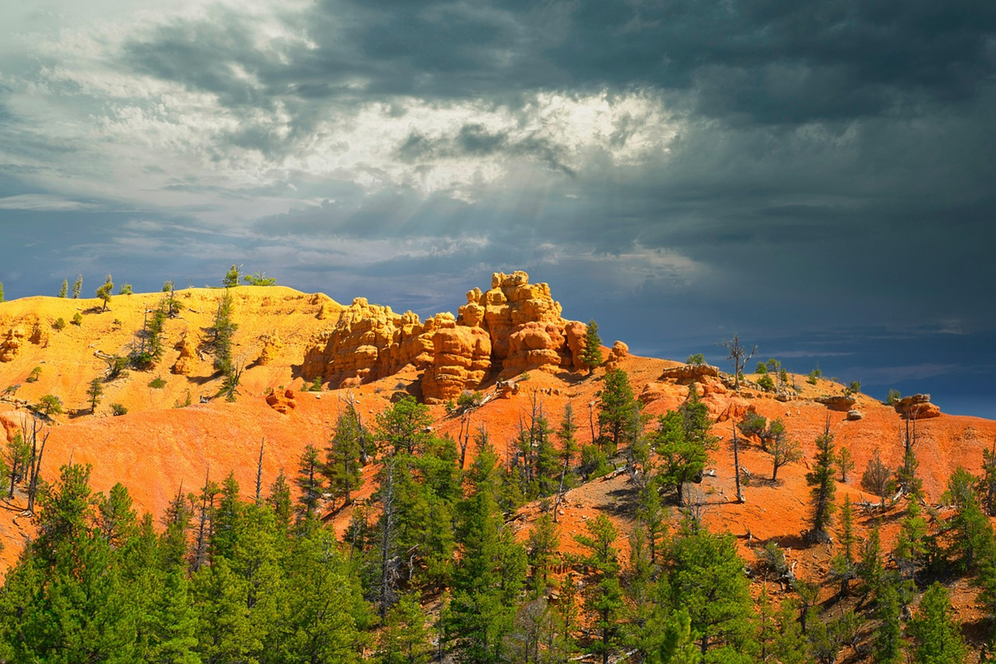
The American Southwest is a landscape of remarkable contrasts, where towering sandstone cliffs, empty mining settlements, and centuries of history exist within a few hours of one another. While national parks attract visitors with their dramatic scenery, abandoned towns offer a different perspective on the region, revealing how earlier communities lived, worked, and eventually disappeared. Exploring both creates a road trip that goes beyond scenic viewpoints and introduces travelers to the stories behind the landscape.
Southern Utah provides an excellent starting point, with historic settlements, winding desert highways, and several of the country’s most distinctive national parks within a manageable driving route.
Discover the Forgotten Mining Town of Silver Reef
Silver Reef, near Leeds in southwestern Utah, offers an introduction to the Southwest’s mining history. During the late 19th century, the settlement developed around an unusual discovery: silver deposits embedded in sandstone. Mining operations attracted workers and businesses, transforming an isolated desert location into a prosperous community before the industry eventually declined.
Today, visitors can explore the historic district and learn about its past at the Silver Reef Museum, housed in a former Wells Fargo express building dating to 1877. Interpretive walking trails highlight surviving structures and the settlement’s remains, while museum exhibits explain the region’s mining operations. Unlike abandoned sites that require difficult backcountry travel, Silver Reef offers an accessible introduction to ghost town exploration.
Explore Grafton Before Entering Zion National Park
Grafton is one of southern Utah’s most atmospheric ghost towns, located near Rockville along the Virgin River. Established by Mormon settlers in the 19th century, the community struggled with flooding and difficult agricultural conditions before its remaining residents eventually departed. Several preserved buildings, including a historic schoolhouse and homes, stand against a dramatic backdrop of red cliffs.
The settlement also served as a filming location for the 1969 movie Butch Cassidy and the Sundance Kid. Visitors can explore the historic townsite and cemetery, although the final approach follows unpaved roads that become difficult after heavy rain. There are no visitor services, so bring drinking water and check road conditions before you leave.
From Grafton, continue toward nearby Zion National Park, where the scenery changes from quiet historic farmland to immense sandstone canyon walls.
Experience the Dramatic Landscapes of Zion and Bryce Canyon
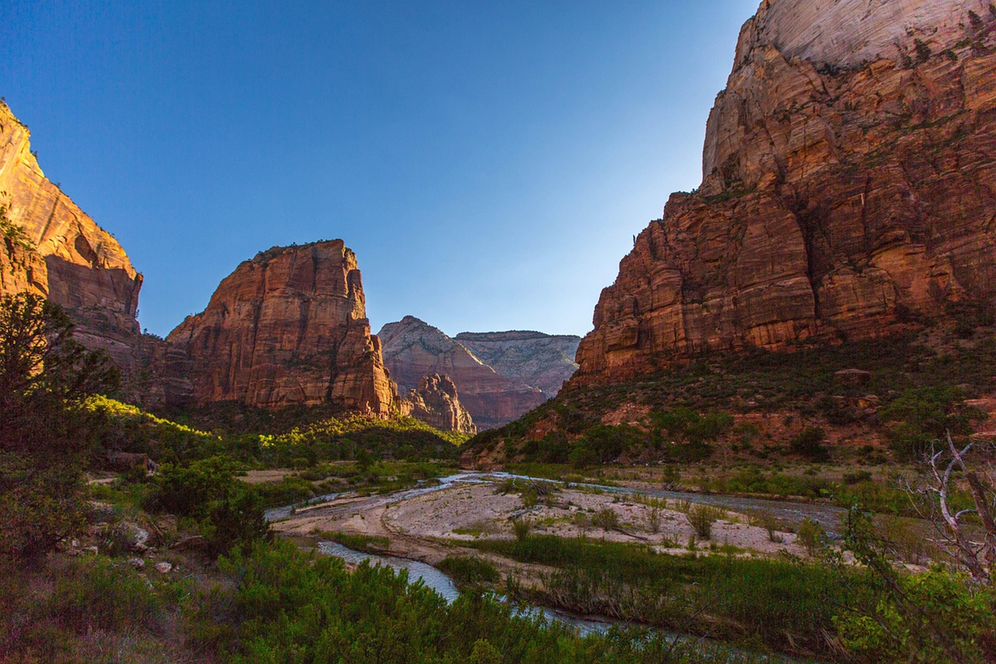
Zion National Park is known for its towering sandstone formations, narrow canyons, and trails that reveal the region’s geological history. The park’s main canyon offers accessible viewpoints and walking routes, while more demanding hikes require additional preparation and, in some cases, permits. Visitors should review current shuttle operations, trail conditions, and access requirements before arriving.
Bryce Canyon National Park provides a completely different landscape approximately two hours away by road. Instead of Zion’s massive canyon walls, Bryce features thousands of hoodoos, narrow rock spires formed through erosion and repeated freezing and thawing. Sunrise Point and Sunset Point offer sweeping views across the amphitheater, while the park’s trails lead visitors among the formations.
Visiting both parks shows how geological processes create dramatically different landscapes over relatively short distances. Allowing at least one full day for each destination gives travelers time to explore beyond the busiest overlooks.
Prepare for Long Drives Through Remote Desert Country
Driving through the American Southwest requires careful planning because services become less frequent outside major towns and national park gateways. Some stretches of highway pass through isolated landscapes where gas stations, restaurants, and accommodations are far apart. Before leaving a populated area, drivers should review their route, check fuel availability, and carry enough water for unexpected delays.
Fuel expenses also deserve attention when planning a multi-day journey. Travelers who regularly take American road trips sometimes compare gas station loyalty programs and payment benefits, including BP Visa card rewards, to understand the value of eligible fuel purchases. Participating locations, reward restrictions, and credit card costs affect whether these programs provide worthwhile benefits. Since remote communities don’t always have stations associated with a particular brand, checking available fuel stops remains more important than relying on a specific rewards program.
Follow Scenic Highway 12 Toward Capitol Reef
Utah’s Scenic Byway 12 connects the Bryce Canyon region with the landscapes surrounding Capitol Reef National Park. Stretching approximately 123 miles, the highway passes through forests, rugged canyons, and high-elevation terrain, offering a remarkable variety of scenery. The route also crosses the Grand Staircase-Escalante region, where remote viewpoints and hiking opportunities reward travelers willing to explore beyond the main road.
Capitol Reef is particularly interesting because its landscape preserves both geological features and human history. The Waterpocket Fold, a nearly 100-mile-long geological formation, creates layers of cliffs, domes, and narrow canyons. In the park’s Fruita Historic District, visitors can see orchards and buildings tied to the area’s early farming settlement.
This combination of natural scenery and preserved cultural history makes Capitol Reef a fitting final destination for a journey that began among abandoned towns.
Choose the Right Season for Southwest Exploration
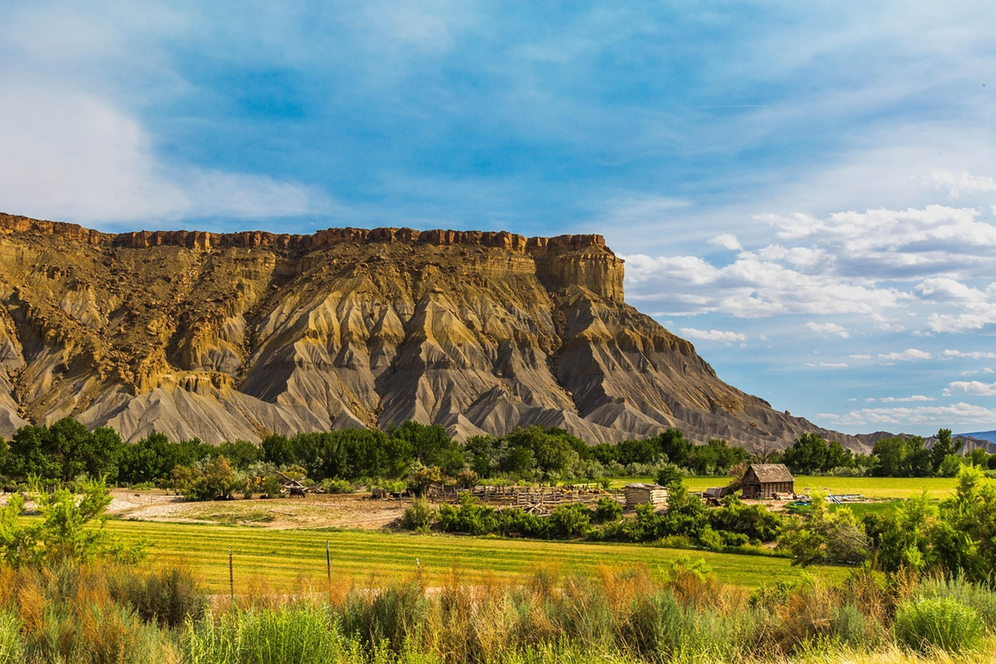
Spring and fall provide comfortable conditions for many Southwest road trips, although temperatures and weather vary considerably with elevation. Desert valleys experience intense summer heat, while higher areas such as Bryce Canyon receive winter snow. Travelers should consider these differences when choosing hiking routes, booking accommodations, and estimating travel times.
A practical itinerary should account for several important factors:
- Travel time: Allow additional hours for scenic stops and slower mountain roads.
- Weather conditions: Check forecasts for desert heat, flash flooding, and high-elevation snow.
- Vehicle preparation: Inspect tires, cooling systems, and fluid levels before departure.
- Navigation: Download offline maps for areas with unreliable cellular coverage.
- Historic site access: Respect private property, avoid unstable buildings, and never enter abandoned mine shafts.
These precautions make it easier to explore remote destinations without overlooking the challenges of desert travel.
Discover a Different Side of the American Southwest
The American Southwest offers far more than famous national park viewpoints. Places such as Silver Reef and Grafton reveal the ambitions and hardships of earlier communities, while Zion, Bryce Canyon, and Capitol Reef demonstrate the geological forces that shaped the surrounding environment.
Combining these destinations creates a journey that connects natural beauty with human history. The abandoned buildings, empty roads, and immense desert landscapes all tell different parts of the same regional story, making the experience especially rewarding for travelers willing to explore beyond the most familiar attractions.

Leave a Reply