A US road trip is a 4-wheeled expression of the American Dream because at its heart it represents freedom and the possibility of discovery. It also reflects the idea that real progress comes from taking risks, meeting people from different backgrounds, and making independent choices.
Traveling across state lines brings that ideal into focus, and the best way to keep it stress-free is to do your homework before you hit the highway.

Decide On Your Route
The US covers nearly 4 million square miles, so trying to see too much in a single trip can mean spending more time behind the wheel than actually enjoying each destination.
Two weeks gives you enough time to drive from Chicago to Nashville and New Orleans, with stops to listen to the blues in Chicago, experience country music in its native Nashville, and sample the bold flavors of Creole and Cajun food in places like Louisiana.
With three weeks, the route can stretch further west.
Austin makes a good stop for the 1.5 million or so bats that gather beneath Congress Avenue Bridge. From there, the drive to Los Angeles brings the Hollywood Walk of Fame, with its stars along Hollywood Boulevard and Vine Street, and Santa Monica Pier, home to Pacific Park and its famous Ferris wheel.
Instead of trying to see as many places as possible, focus on the most important stops and give yourself enough time to enjoy each one.
Pick The Right Season
The best time of year for your US road trip will influence everything from the equipment you need to the road conditions you’re likely to encounter. For a summer drive through Death Valley, working air conditioning is non-negotiable, along with plenty of water. Consider getting heavy-duty tires with strong sidewalls and aim for a tread depth of between 4/32″ and 6/32″. Bear in mind that if the road trip takes place in July and August, outside temperatures can climb above 120°F.
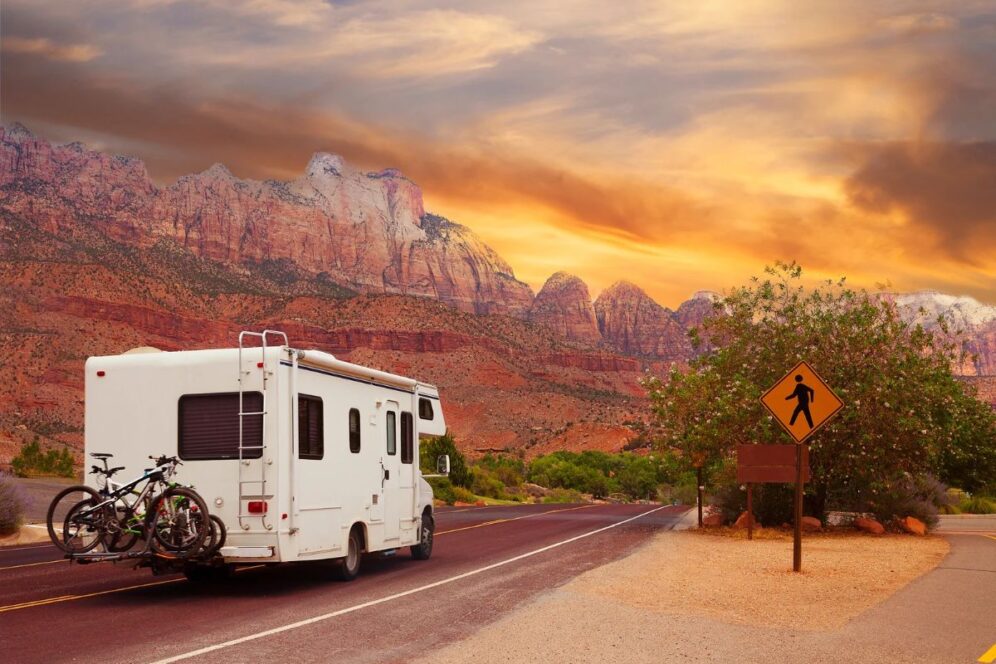
Winter visitors to Mount Rainier will need to prepare differently, including carrying correctly sized tire chains. This makes it easier to maintain traction on those snow-covered roads and avoid losing control on icy stretches.
Check the National Park Service for road updates before you leave, as inclement weather can close entire roads. Poor conditions could force you to take a longer route, miss a planned stop, or spend extra time finding another way through.
Get Travel Documents and Insurance In Order
For American travelers, check that driver’s licenses and vehicle registration are current before setting off. If you’re an international traveler, you can drive in New York with a valid foreign driver’s license, without an International Driving Permit (IDP). Kentucky, however, requires certain foreign drivers to carry both documents.

Travel insurance is worth arranging before arrival. International visitors should look for cover that includes emergency medical treatment, hospital stays, and medical evacuation. American travelers should check whether their health insurance covers care outside their usual provider network.
You should also confirm you have affordable car insurance that covers every eventuality on your road trip, especially if you’re heading to more remote places.
Plan Overnight Stays Around Driving Distances
Before booking hotels or motels along the route, run through this checklist to make sure each overnight stop makes sense:
- Check driving times, not just distances. Mountain highways and busy city approaches can add hours to a route along your road trip.
- Choose a daily driving limit that leaves enough time for fuel, meals, and rest stops.
- Pick accommodation close to the main route, preferably with secure parking and restaurants nearby.
- Book two nights in destinations that deserve more time, rather than checking out of one place and into another every morning.
- Reserve rooms in advance in popular tourist areas like Venice Beach, California, and smaller towns with limited accommodation like Saugatuck, Michigan.
Draw Up A Realistic Budget
Poorly planned expenses can cause real problems on the road. Once gas, overnight stays, meals, tolls, and attraction tickets start adding up, the initial budget could have simply been wrong. It literally pays to remember that parking in major US cities can cost $20 to $50 a day, and that toll roads like the Pennsylvania and Florida Turnpikes will add extra charges to your spending plan along those routes.

National attraction entrance fees will also need to be factored in, along with even a minimum of meals at restaurants.
Set aside an extra 10% or 15% of your budget for unexpected expenses so that a spontaneous overnight stay or unplanned route change can be accommodated without stress.
Pack For The States, Seasons, And Likely Conditions
A road trip through several states can mean moving between humid coastal towns like Savannah, Georgia, dry inland areas like Phoenix, Arizona, and cooler mountain communities around Aspen, Colorado, sometimes within a few days.
Lightweight clothing, a few warmer layers, and a waterproof jacket make a useful starting point. Comfortable walking shoes are worth packing for city sightseeing and longer visits to attractions, while sandals and swimwear make sense for coastal stops. A small day bag is useful for sunscreen, water, a phone, a wallet, medication, and booking confirmations.
Space in the trunk is another consideration. Soft-sided luggage fits more easily around other bags, and packing cubes keep clothing organized without taking up unnecessary room. Leave some space for purchases and souvenirs collected along the way.
Keep Plans Flexible
Some of the best parts of a road trip are the stops that never made it onto the original itinerary. An unexpected local festival, a roadside attraction, or a scenic detour can become a highlight. Leaving one day per state unplanned gives your trip room for these discoveries without disrupting the wider schedule.


Leave a Reply