There is a version of an Australia golf vacation that lives permanently on the someday list, sandwiched between good intentions and the reality of a very long flight. Let now be the right time to turn this dream trip into a reality. The flight is worth it, the courses justify the jet lag, and the country that surrounds them is the kind of place that makes two weeks feel genuinely insufficient.
For American golfers, Australia is one of the great undiscovered trips. The same people who will happily board a transatlantic red-eye to play Ballybunion or Royal Dornoch have largely bypassed a country that holds some of the finest golf on earth, set against landscapes that most of the world has never seen. The Melbourne Sandbelt alone would justify the journey. The Great Barrier Reef, the Tasmanian wilderness, and a food and wine scene that punches well above its international reputation make the case for everyone else traveling with you.

Working with a specialist travel company takes a lot of the guesswork out. Premier Golf, for example, builds custom Australia golf packages around your preferred courses, travel dates and budget, which is particularly useful when access to the Sandbelt’s private clubs requires advance coordination. It is the kind of trip that rewards proper planning, and having someone who knows the courses well makes a real difference.
Here is how to plan an Australian vacation that gives both the golf and the country the justice they deserve.
Start With the Golf, Then Build Around It
The starting point for any serious Australia golf trip is Melbourne, and specifically the Melbourne Sandbelt. This stretch of sandy, links-like terrain through the city’s southeastern suburbs holds more highly ranked courses per square mile than almost anywhere else in the world.
Royal Melbourne is the headline act. Founded in 1891 and designed in part by Alister MacKenzie, the architect also responsible for Augusta National, it regularly appears in the world’s top ten. Kingston Heath, a few minutes away, is widely considered the finest course in the country that visiting golfers can actually access without a personal introduction. Commonwealth, Victoria, and Huntingdale add further depth to a region where five or six rounds would still leave plenty unexplored.
If you are narrowing down where to stay and which properties to build your trip around, looking at the best golf resorts in Australia is a useful early step. Options range from city hotels within easy reach of the Sandbelt clubs to on-site stays at properties like Barnbougle in Tasmania, which makes the logistics of consecutive rounds significantly more straightforward.
Add a Tasmanian Detour
Tasmania sits about an hour’s flight south of Melbourne and contains two of Australia’s most celebrated modern golf courses. Barnbougle Dunes opened in 2004 on a strip of old potato farmland along the Bass Strait coastline and entered the global top 50 almost immediately. Its neighbor, Lost Farm, opened six years later with a slightly longer and more exposed layout across the same wild coastal terrain.
Three nights in Tasmania, built around four rounds at the two courses, slots naturally into a two-week Melbourne-based trip without feeling rushed. The on-site lodge keeps travel between rounds to a minimum, and the combination of remote coastal scenery and genuinely serious golf is unlike anything most American golfers have experienced before.
There is also the matter of Tasmanian food and wine, which tends to catch visitors off guard. The island has developed a real culinary reputation over the past decade, particularly for seafood, cool-climate wines, and a whisky distilling scene that has grown considerably in recent years. A rest evening in Barnbougle is not a hardship.
Sydney and New South Wales: Golf and a Lot More
Sydney is a natural stop on any Australia vacation, and for golfers it offers genuine course credentials beyond its reputation as one of the world’s great cities. New South Wales Golf Club at La Perouse overlooks Botany Bay with the Pacific stretching out to the horizon, and it regularly ranks among the finest layouts in the country. Access is typically available through reciprocal club arrangements, so it is worth checking with your home club before you travel.
The city itself rewards at least three days. The Opera House, the Harbour Bridge, Bondi Beach: these are sights that earn their reputation. The food scene across the inner suburbs is excellent, and the harbor views from a dozen different vantage points never get old.
New South Wales beyond Sydney is a different story again. If you want to see what the state looks like outside the obvious tourist trail, this guide to New South Wales off the beaten path covers territory that rarely makes standard itineraries, the kind of places worth building into a longer trip if you have the time.
What to Do When You Put the Clubs Down
This is the part of an Australia vacation that most golf-focused trip reports understate. The country is so large and so varied that treating it purely as a golf destination requires actively deciding to ignore a significant portion of what is on offer.
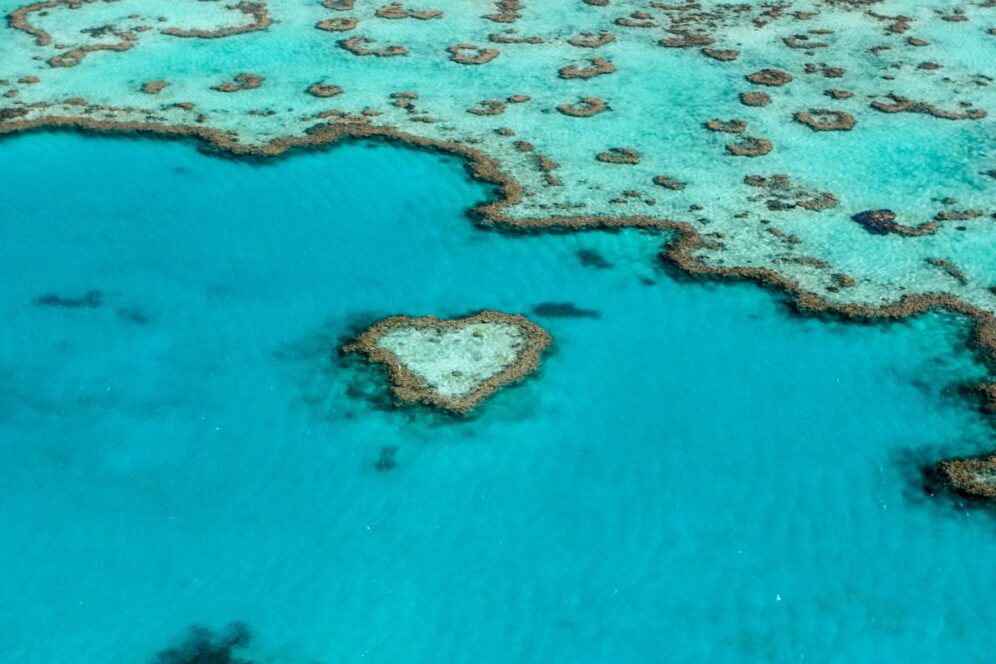
The Great Barrier Reef is accessible from Cairns in Queensland, and a day or two on the water is worth building in if your itinerary routes through the north. The Daintree Rainforest, a short drive from Cairns, is one of the oldest tropical rainforests on earth. Uluru in the Northern Territory is worth the internal flight for what it does to your sense of scale. Photographs do not prepare you for it.
Melbourne has a cafe and food culture that competes with any major city in the world, and the city is genuinely enjoyable to wander on a rest day. The weekend markets, the laneways, the rooftop bars: things to do in Melbourne extend well beyond the Sandbelt, and a day off between rounds in the city tends to be welcome rather than wasted.
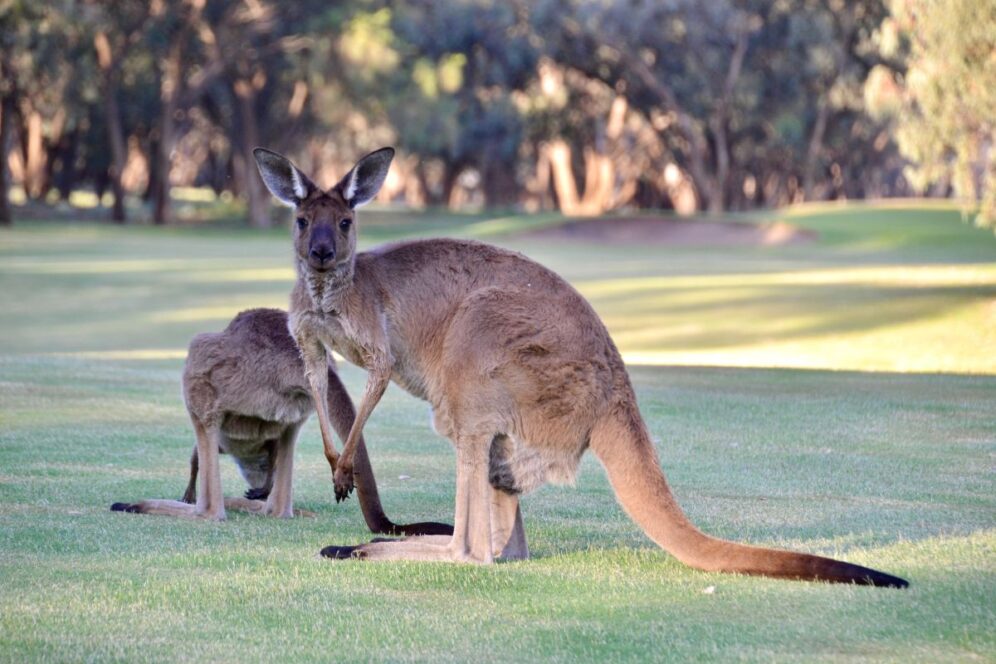
For wildlife, the Phillip Island Penguin Parade sits about an hour from Melbourne and is one of those experiences that sounds gimmicky and turns out to be genuinely memorable. The Grampians National Park, three hours to the west, offers hiking, Aboriginal rock art, and kangaroos in numbers that would seem improbable if you hadn’t seen them.
Best Time to Visit Australia for a Golf Trip
This is one of the most common planning questions, and the honest answer depends on which part of the country you are prioritizing.
For Melbourne and Tasmania, the Australian spring and fall are the most reliable windows: September through November, and March through May. Temperatures are comfortable, courses are in good condition, and the heat that can make summer rounds miserable is absent. The Australian summer runs from December through February, when Melbourne can hit 104 degrees Fahrenheit on difficult days.
The Australian winter (June through August) is mild by American standards, think low to mid 50s Fahrenheit in Melbourne, and courses stay green and playable. If the Sandbelt and Barnbougle are your primary goals, a winter trip is a genuinely viable option and typically cheaper than the shoulder seasons.
If you are adding Queensland or the Northern Territory, the dry season from May through October is by far the more comfortable half of the year. The wet season can make some areas inaccessible, and the heat and humidity in the north during summer is a different category from Melbourne.
How to Build the Itinerary
A workable two-week structure: fly into Melbourne, spend five or six days on the Sandbelt, take a short flight to Launceston for three nights at Barnbougle, return to Melbourne for a day or two, then fly to Sydney for three days before heading home. That covers the golf, the coastal scenery, the city, and enough of New South Wales to make the trip feel complete rather than like a long transfer between courses.
Tee times at the top Sandbelt clubs book out weeks in advance during the better months. Royal Melbourne in particular requires some forward planning around reciprocal member arrangements. Barnbougle is more accessible but also fills up. Building the itinerary around confirmed tee times rather than trying to add them after flights and hotels are booked is the more reliable approach.
Internal flights in Australia are frequent, reasonably priced, and generally well-run. Renting a car in Melbourne is worth it for the Sandbelt clubs and any side trips to the Mornington Peninsula. In Sydney, a car is more trouble than it is worth.
A Trip Worth the Flight
The distance from the US to Australia is real, and nothing changes the fact that you are looking at a very long travel day in each direction. What changes is how you feel about it once you have been.
Most people who make the trip come back with the same observation: they should have gone sooner. For golfers, the Sandbelt alone justifies the journey. For the partners, non-golfers, and anyone who needs a rest day between rounds, the food, the coast, the wildlife, and the sheer variety of what the country offers across two weeks make it one of the best long-haul vacations available to American travelers.
Plan it properly, give it enough time, and it will not disappoint.


Leave a Reply